

Have you ever wondered how something as simple as a routine screening could save a life?

By Kath Wong | November 14th, 2025
When it comes to breast cancer, early detection is not just a recommendation, it’s a lifeline. Many women only seek help once they feel a lump or notice symptoms, but by then, cancer may have progressed beyond its earliest and most treatable stages.
Breast cancer is one of the most common cancers among women worldwide, but it is also one of the most survivable, especially when detected early. With timely screenings, advanced diagnostics, and growing awareness, survival rates have improved dramatically. The key lies in knowing when and how to act before the disease becomes life-threatening.
Understanding Breast Cancer - What Happens Beneath The Surface
Breast cancer begins when abnormal cells in the breast tissue start to grow uncontrollably. These cells can form a lump or mass and, if left untreated, spread to nearby lymph nodes or other organs.
While many assume breast cancer is always visible or painful, that’s not always the case. Some forms develop quietly, without noticeable symptoms, which is why regular screening and early detection are so critical.
Key Facts:
· Breast cancer accounts for about 1 in 8 cancers diagnosed in women globally.
· When detected early, the five-year survival rate exceeds 90%.
· Early treatment reduces the need for aggressive therapies like mastectomy or chemotherapy.
Recognizing these facts empowers women to prioritize preventive care, not out of fear, but out of awareness and self-love.

The Power Of Early Detection - Why Timing Matters
Early detection isn’t only about finding cancer; it’s about finding it before it spreads. The stage at which breast cancer is discovered dramatically impacts both treatment options and survival outcomes.
· Stage 0 or I (early stage): The cancer is confined to the breast and often treated successfully with localized therapy.
· Stage II or III (regional spread): Treatment becomes more intensive, involving surgery, radiation, or chemotherapy.
· Stage IV (metastatic): Cancer has spread to other parts of the body, requiring long-term management.
A report by the American Cancer Society found that patients diagnosed at an early stage have a 99% survival rate, compared to 29% for those diagnosed at a later stage. That gap underscores just how vital timely detection truly is.
How Regular Screenings Make A Difference
You don’t need to wait until something feels “wrong.” Regular screenings can detect even the smallest irregularities that physical exams might miss.
Common screening methods include:
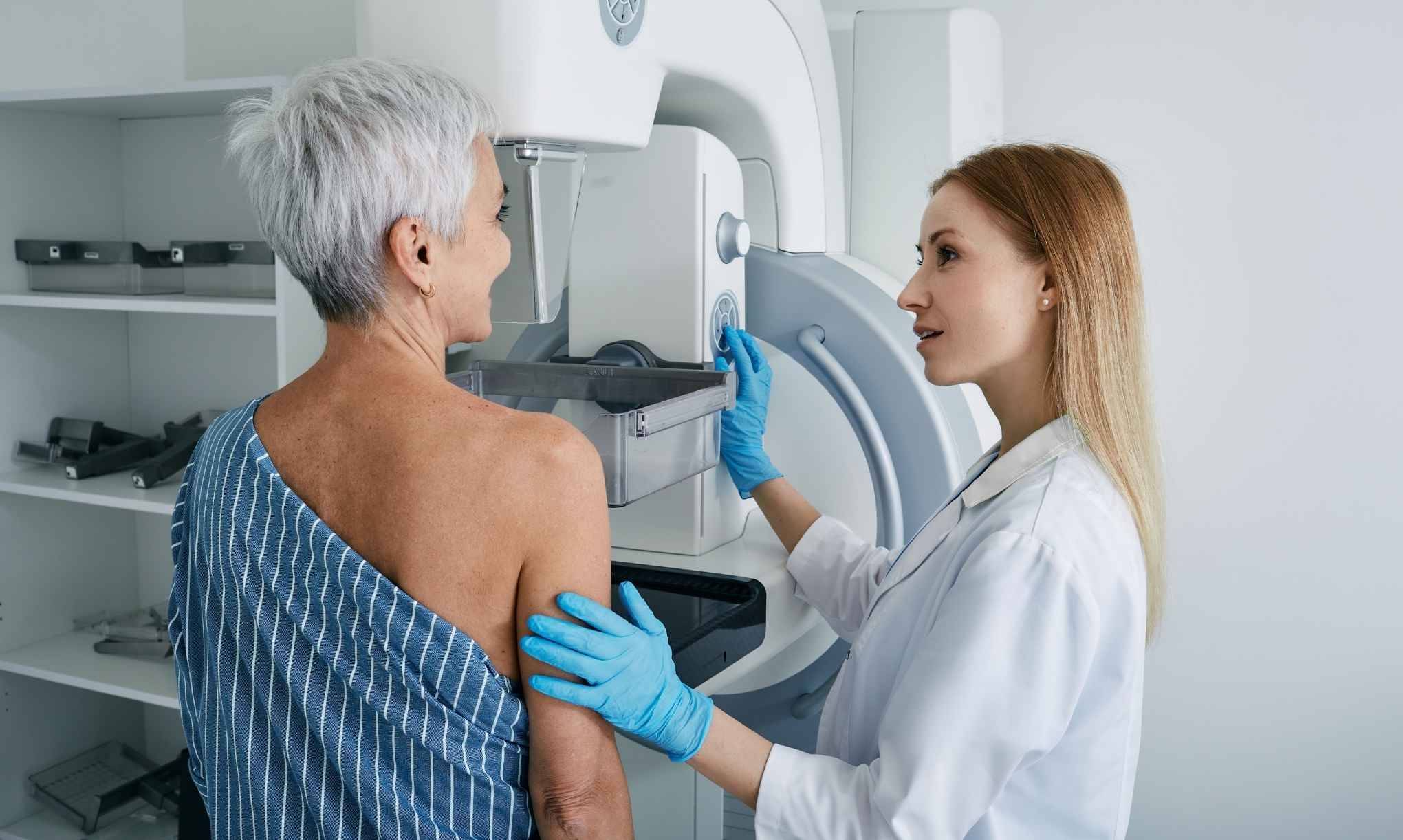
· Mammography: A low-dose X-ray that can identify tumors too small to be felt.
· Ultrasound: Used to examine dense breast tissue and differentiate between cysts and solid masses.
· MRI (Magnetic Resonance Imaging): Recommended for high-risk individuals, offering detailed imaging of breast tissue.
· Clinical Breast Exams: Performed by a healthcare professional to detect lumps or changes in texture.
Each method has its own advantages, and often, a combination of these tools provides the most accurate results.
Wellness platforms like Trambellir make it easier than ever to access reliable breast cancer screening services through trusted hospitals and diagnostic centers. Whether you’re at home or travelling abroad, you can find a safe, accredited facility for preventive health checks with just a few clicks.
Recognizing Early Warning Signs You Shouldn’t Ignore
While screening remains the gold standard, being aware of early warning signs can help you act faster.
Look out for:
· A new lump or thickening in the breast or underarm area
· Unexplained changes in breast size or shape
· Dimpling or puckering of the skin
· Inverted nipple or nipple discharge
· Redness, swelling, or skin irritation
If you notice any of these changes, consult a doctor immediately. It doesn’t always mean cancer, but it’s always worth checking.

Risk Factors You Can and Can’t Control
Not all risk factors are within your control, but understanding them helps you make smarter lifestyle choices.
Uncontrollable factors:
· Gender: Women are at higher risk, though men can also develop breast cancer.
· Age: Risk increases after age 40.
· Family history or genetics: Mutations in genes like BRCA1 and BRCA2 increase susceptibility.
Lifestyle-related factors:
· Sedentary lifestyle and obesity
· Excessive alcohol consumption
· Smoking
· Long-term hormone therapy
· Poor diet lacking in antioxidants and fiber
Maintaining a balanced diet, staying active, and limiting alcohol intake can lower your risk. Combine these habits with regular screenings for maximum protection.
Screening Recommendations By Age And Risk Level
Every woman’s health journey is unique. Your doctor may recommend specific screening schedules based on age, medical history, and genetic factors.
Women in their 20s to 30s are encouraged to perform a monthly self-exam and have a clinical breast exam every 1 to 3 years. For women aged 40 to 49, an annual mammogram is recommended for those at average risk. Starting from age 50, women should undergo a mammogram every 1 to 2 years, depending on their previous screening results. For individuals considered high-risk, an annual MRI combined with a mammogram is recommended beginning at age 30. Regular follow-ups ensure that any changes are monitored closely, minimizing potential risks.
The Emotional Impact
Fear is often the biggest barrier preventing women from getting screened. Yet, early detection replaces fear with control. Knowing your body and understanding your options allows you to take proactive steps toward health and longevity.
Support groups, counseling, and educational campaigns have helped many women shift from anxiety to empowerment. Modern screening technologies are quicker, safer, and more comfortable than ever before — transforming what used to be a dreaded test into an empowering health milestone.
Treatment Outlook - Early Detection Means Easier Recovery
When breast cancer is detected early, treatment is often less invasive and far more successful. Depending on the diagnosis, options may include:
· Lumpectomy: Removing only the tumor while preserving most of the breast.
· Radiation therapy: Targeting cancer cells while minimizing damage to healthy tissue.
· Targeted therapy or hormone therapy: Blocking specific pathways that fuel cancer growth.
Early-stage patients frequently recover faster and return to normal life sooner — both physically and emotionally. This highlights why prevention and early screening remain the most powerful tools in the fight against breast cancer.
Prioritize Prevention Today
Breast cancer awareness isn’t limited to one month of the year — it’s an ongoing commitment to your well-being. Make time for regular check-ups, listen to your body, and never underestimate the importance of preventive care.
By making screening a part of your health routine, you not only protect yourself but also set an empowering example for others. Platforms like Trambellir simplify this journey by connecting you with certified facilities offering comprehensive breast cancer detection and diagnostic services; because peace of mind should never be complicated.
FAQs
Q1. How often should I get a mammogram?
Most experts recommend annual or biennial mammograms starting at age 40, though women with higher risks should begin earlier as advised by their doctor.
Q2. Can breast cancer develop without any symptoms?
Yes. Many cases are detected through imaging before physical symptoms appear, underscoring the importance of regular screenings.
Q3. What’s the difference between a mammogram and an ultrasound?
Mammograms use X-rays to detect calcifications or tumors, while ultrasounds use sound waves to analyze tissue density — often complementing each other in diagnosis.
Q4. Are breast self-exams still recommended?
Yes, monthly self-exams help women become familiar with their breast texture and detect unusual changes early.
Q5. How can Trambellir assist with breast cancer screening?
Trambellir connects patients with top-rated clinics and hospitals offering advanced breast cancer detection services, making preventive care simple, safe, and globally accessible.


