

Discover how facial proportions affect appearance and explore surgical and non-surgical treatments that enhance natural facial harmony.

By Fara Farid | July 17th, 2026
Have you ever wondered why certain faces appear naturally balanced or harmonious? While beauty is often described as subjective, facial proportions play a significant role in how we perceive symmetry, attractiveness, and even expressions. Rather than focusing on achieving perfection, modern aesthetic medicine aims to enhance facial harmony by preserving each individual's unique features.
Today, advances in aesthetic treatments allow people to address concerns such as volume loss, asymmetry, or facial imbalance through personalised approaches instead of dramatic transformations. Understanding facial proportions can help individuals make more informed decisions when considering aesthetic treatments while maintaining natural-looking results.
What Are Facial Proportions?

Facial proportions refer to the relationship between different facial features, including the forehead, eyes, nose, lips, cheeks, chin, and jawline. Rather than evaluating each feature individually, aesthetic practitioners assess how these structures work together as a whole.
Historically, artists and anatomists have studied facial balance using concepts such as the "golden ratio." While these mathematical principles provide general guidelines, modern facial assessment recognises that beauty exists across different ethnicities, genders, and facial characteristics.
Instead of creating identical faces, today's aesthetic approach focuses on:
· Improving facial balance
· Preserving natural identity
· Enhancing existing features
· Maintaining harmony between facial structures
The goal is not to change who someone is, but to highlight their natural appearance.
Why Facial Balance Matters More Than Individual Features
Many people believe that improving a single facial feature will completely transform their appearance. However, facial harmony often depends on how different features complement one another.
For example, a prominent nose may appear less noticeable when the chin has better projection. Similarly, restoring volume to the cheeks can soften the appearance of under-eye hollows and improve overall facial contours without altering other features.
Common areas that influence facial balance include:
· Forehead projection
· Mid-face volume
· Nose shape
· Chin position
· Jawline definition
· Lip proportion
A comprehensive facial assessment often reveals that addressing multiple areas subtly can produce more natural results than dramatically changing one feature alone.

How Aging Changes Facial Proportions
Facial proportions naturally evolve throughout life. Aging affects not only the skin but also the underlying fat, muscles, ligaments, and bone structure.
Some common age-related changes include:
· Loss of cheek volume
· Hollow temples
· Reduced skin elasticity
· Sagging around the jawline
· Thinner lips
· More pronounced nasolabial folds
Collagen production also declines with age, contributing to skin laxity and reduced firmness. Research suggests that collagen synthesis decreases by approximately 1% each year after early adulthood, influencing visible signs of aging. Rather than focusing solely on wrinkles, many modern rejuvenation treatments aim to restore structural support and improve facial proportions by addressing volume loss and skin quality simultaneously.
Modern Treatments That Support Facial Harmony
Advances in aesthetic medicine provide a wide range of options for individuals seeking subtle improvements. Treatment recommendations vary depending on facial anatomy, skin condition, and personal goals.
Some commonly performed treatments include:
Hyaluronic acid fillers can restore lost facial volume, improve chin projection, define the jawline, or enhance lip proportions while maintaining natural movement.
Injectable skin boosters focus on improving hydration and skin quality rather than adding volume. Healthier skin can contribute to a fresher, more youthful appearance.
· Collagen-Stimulating Treatments
Products designed to stimulate collagen production may gradually improve skin firmness and elasticity over several months.
Thread lift procedures provide subtle lifting while encouraging collagen production, making them suitable for mild to moderate skin laxity.
· Energy-Based Skin Tightening
Radiofrequency and ultrasound-based treatments stimulate collagen production beneath the skin to improve firmness without surgery.
Each option offers different benefits, and treatment plans are often personalised according to individual facial anatomy.
When Surgery May Be the Right Choice
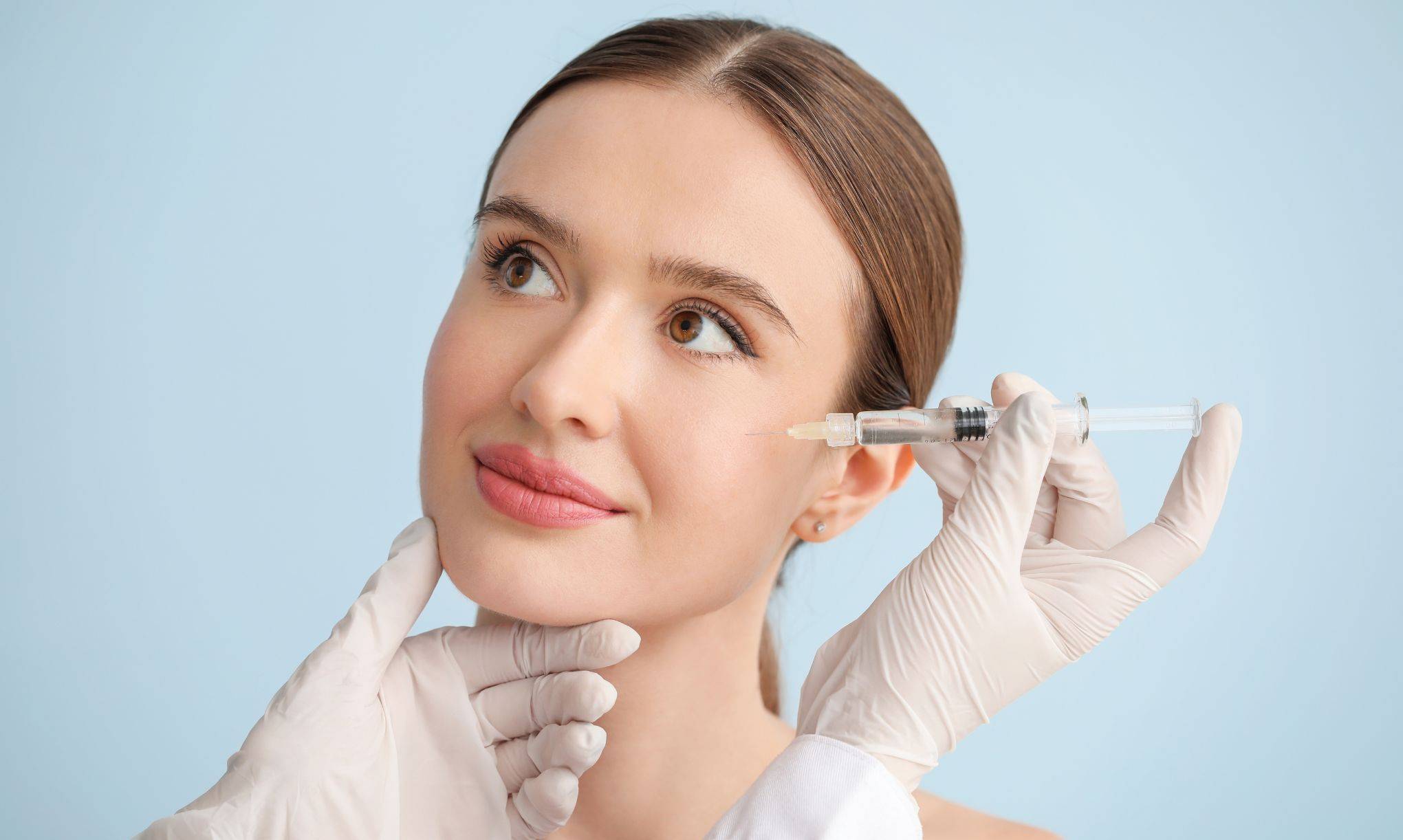
Although many concerns can be addressed without surgery, certain structural issues may benefit from surgical procedures.
Examples include:
· Rhinoplasty for reshaping the nose
· Chin augmentation for projection
· Blepharoplasty for drooping eyelids
· Facelift procedures for significant skin laxity
· Facial contouring procedures for bone structure enhancement
Surgical procedures are generally recommended when structural changes are needed that cannot be achieved through injectable or energy-based treatments.
Achieving Facial Harmony Is About Balance, Not Perfection
Facial proportions influence much more than appearance – they contribute to facial expressions, confidence, and the way features complement one another. Modern aesthetic medicine has shifted away from dramatic transformations toward subtle refinements that respect each person's natural identity.
Whether addressing age-related volume loss, improving facial contours, or enhancing skin quality, today's treatments focus on achieving balanced, harmonious results rather than chasing unrealistic ideals. For individuals exploring treatment options abroad, platforms like Trambellir connect patients with accredited aesthetic clinics offering personalised consultations and a wide variety of facial rejuvenation procedures across destinations such as South Korea, Japan, Thailand, and Türkiye.
Frequently Asked Questions
1. What are facial proportions?
Facial proportions describe the relationship between different facial features, such as the forehead, eyes, nose, lips, chin, and jawline. Balanced proportions contribute to overall facial harmony.
2. Can non-surgical treatments improve facial proportions?
Yes. Treatments such as dermal fillers, skin boosters, collagen stimulators, thread lifts, and radiofrequency skin tightening can enhance facial balance without surgery, depending on individual concerns.
3. Which facial features affect overall appearance the most?
The cheeks, nose, chin, jawline, lips, and forehead all contribute to facial harmony. Rather than focusing on one feature alone, practitioners assess how they work together.
4. Does aging change facial proportions?
Yes. Aging can lead to volume loss, reduced collagen production, skin laxity, and changes in facial contours, all of which affect overall facial balance.
5. How do I know which treatment is right for me?
A personalised consultation with a professional is the best way to assess your facial anatomy, discuss your goals, and determine the most suitable treatment plan.


