

Hair loss can be a gradual change or a sudden concern, but either way, it often affects more than just appearance

By Kath Wong | April 13th, 2026
Hair loss can influence confidence and self-image; while there are many treatments available, not all are suitable for everyone, especially when hair regrowth is limited or unpredictable.
So what if there was a way to create the appearance of fuller hair without surgery or ongoing maintenance treatments? This is where Scalp Micropigmentation (SMP) comes in — a technique that focuses on visual enhancement rather than hair regrowth, offering a practical and increasingly popular option for both men and women.
What Is Scalp Micropigmentation (SMP)?
Scalp Micropigmentation (SMP) is a non-surgical cosmetic treatment that involves depositing tiny pigment dots into the scalp using specialised equipment. These pigments are carefully placed to replicate the appearance of natural hair follicles. The result is an illusion of density — whether it’s creating the look of a closely shaved head, filling in thinning areas, or enhancing the definition of a receding hairline.
Unlike traditional tattooing, Scalp Micropigmentation (SMP) uses precise techniques and pigments designed specifically for the scalp, ensuring a more natural and subtle outcome.
How Scalp Micropigmentation (SMP) Creates The Appearance Of Fuller Hair
The effectiveness of Scalp Micropigmentation (SMP) lies in its attention to detail. By mimicking the size, shape, and placement of real hair follicles, doctors can create a realistic look that blends seamlessly with existing hair. For individuals with thinning hair, Scalp Micropigmentation (SMP) adds the illusion of density by reducing the contrast between hair and scalp. This makes the hair appear fuller and more evenly distributed.
For those experiencing more advanced hair loss, the treatment can recreate the look of a clean, closely shaved hairstyle, giving a defined and structured appearance. Because the results are visual rather than biological, they are immediate once the treatment sessions are completed.
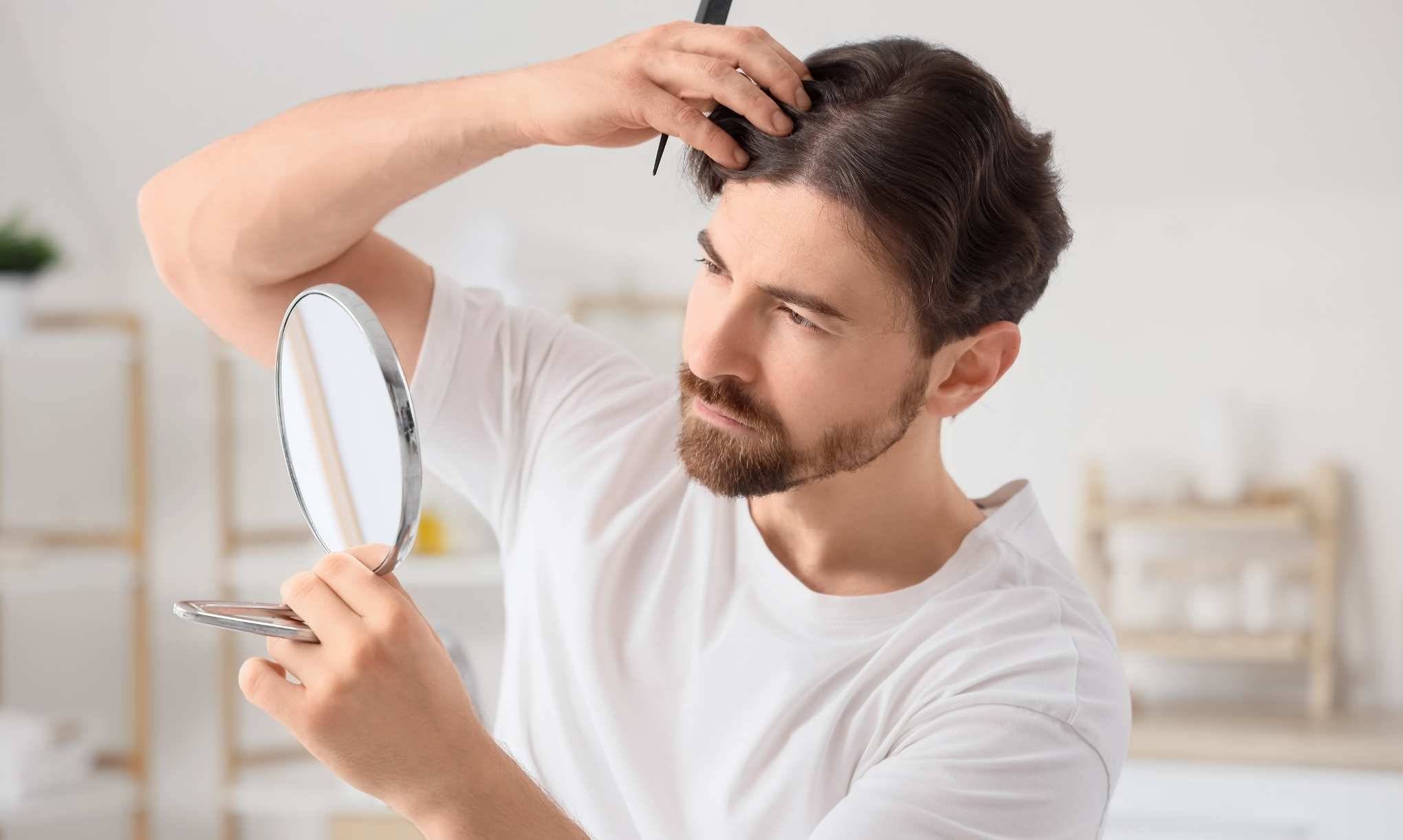
Who Can Benefit From Scalp Micropigmentation (SMP)?
Scalp Micropigmentation (SMP) is a versatile solution that can be tailored to different types of hair loss and aesthetic goals.
It may be suitable for individuals who:
· Experience thinning hair or reduced hair density
· Have a receding hairline or pattern baldness
· Want to camouflage scars from hair transplant procedures
· Prefer a low-maintenance alternative to hair restoration treatments
Both men and women can benefit from Scalp Micropigmentation (SMP), as the technique can be adjusted to suit different hair types, styles, and preferences.
What Happens During The Treatment Process
Scalp Micropigmentation (SMP) is typically performed over multiple sessions, allowing the doctor to build up the pigment gradually for a more natural result. During each session, the scalp is carefully mapped out, and pigment is applied using fine needles. The process requires precision and artistic skill to ensure that the final appearance looks realistic.
Sessions can last several hours, depending on the treatment area. While some mild discomfort may be experienced, it is generally manageable. After each session, the scalp may appear slightly red, but this usually subsides within a short period. As the pigment settles, the final result becomes more defined.
Results And Longevity
One of the key advantages of scalp micropigmentation is its long-lasting effect. The results typically last for several years, although gradual fading may occur over time. Maintenance sessions can help refresh the pigment and keep the appearance consistent. Because Scalp Micropigmentation (SMP) does not rely on hair growth, it offers a stable solution that is not affected by ongoing hair loss in the same way as other treatments.
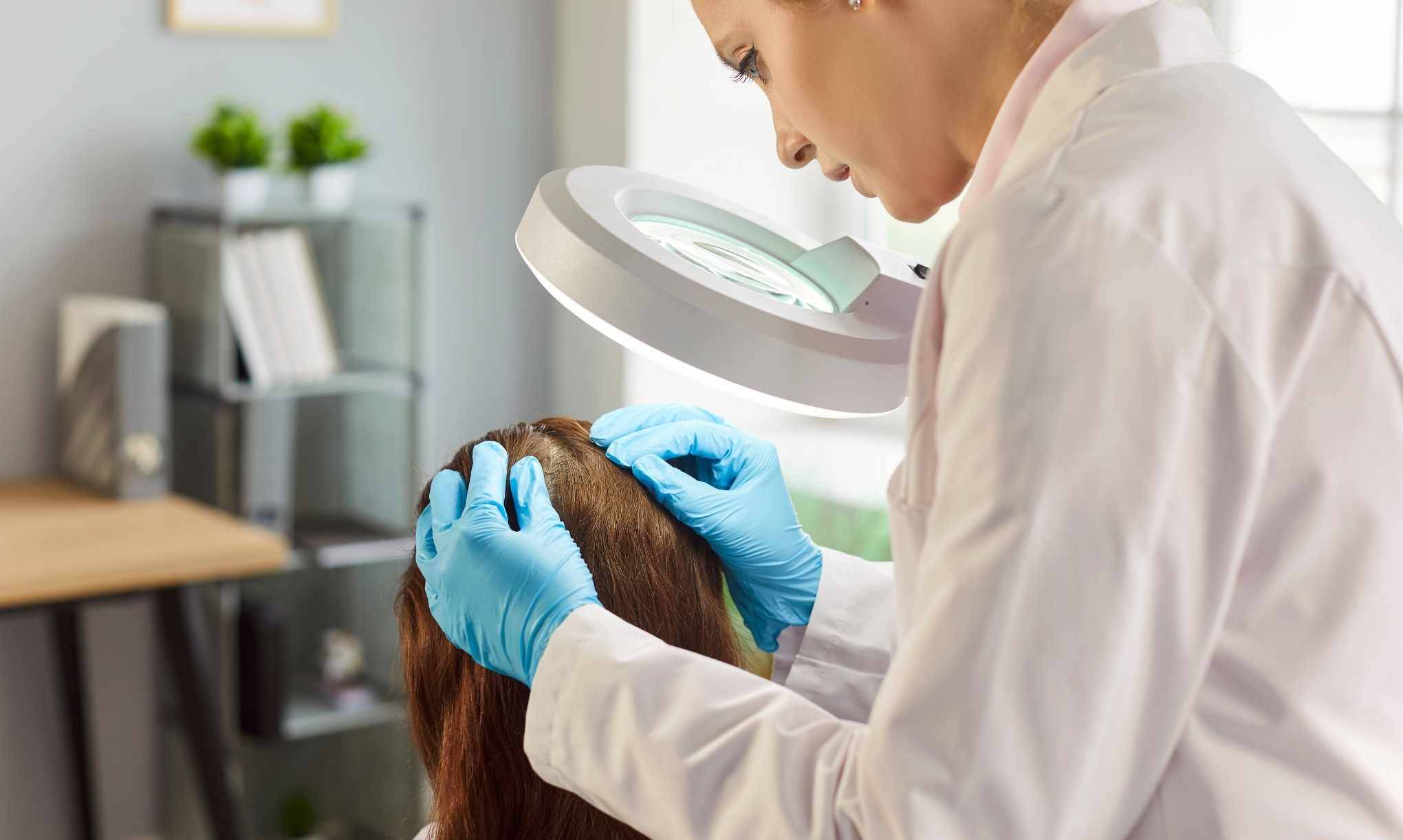
How Scalp Micropigmentation (SMP) Compares To Other Hair Loss Treatments
Hair loss solutions vary widely, from medications to surgical procedures such as hair transplants. Scalp Micropigmentation (SMP) differs in that it does not aim to restore hair growth. Instead, it focuses on creating a visual improvement, making it a suitable option for those who may not be candidates for other treatments or who prefer a non-surgical approach.
Unlike topical treatments or medications, Scalp Micropigmentation (SMP) does not require daily maintenance. Compared to hair transplants, it involves less downtime and does not depend on donor hair availability. For some individuals, Scalp Micropigmentation (SMP) can also complement other treatments, enhancing overall results by improving the appearance of density.
Safety And Considerations
When performed by trained doctors, Scalp Micropigmentation (SMP) is generally considered safe. The pigments used are formulated specifically for cosmetic application on the scalp. As with any procedure involving the skin, choosing a qualified doctor is essential to ensure proper technique and hygiene standards. Temporary redness or slight sensitivity may occur after treatment, but these effects are usually mild and short-lived.
Following aftercare instructions, such as avoiding excessive sun exposure and keeping the scalp clean, helps maintain results and support healing.
A Practical Approach To Hair Confidence
Hair loss can be complex, and there is no one-size-fits-all solution. Scalp Micropigmentation (SMP) offers a different perspective — focusing on appearance rather than regrowth, and delivering results that are both immediate and long-lasting.
For individuals seeking a low-maintenance, non-surgical option, Scalp Micropigmentation (SMP) provides a way to restore the look of fuller hair and redefine the hairline with precision. Platforms like Trambellir can help connect individuals with experienced clinics/hospitals offering Scalp Micropigmentation (SMP), making it easier to explore treatment options and find a solution that aligns with personal goals.
Redefining Hair Restoration
Scalp micropigmentation represents a shift in how hair loss is approached. Instead of trying to reverse the process entirely, it works with what is possible — enhancing appearance and creating confidence through realistic visual results.
For many, this balance of simplicity, effectiveness, and long-term reliability makes Scalp Micropigmentation (SMP) an increasingly attractive option in the world of modern aesthetic treatments.
FAQs
Q1. Is Scalp Micropigmentation (SMP) permanent?
Scalp Micropigmentation (SMP) is considered semi-permanent. Results can last several years, with occasional touch-ups needed to maintain the appearance.
Q2. Does Scalp Micropigmentation (SMP) look natural?
Yes, when performed by skilled doctors, the pigment is applied to closely mimic natural hair follicles for a realistic result.
Q3. Is Scalp Micropigmentation (SMP) painful?
Most people experience mild discomfort, but it is generally manageable and less intense than traditional tattooing.
Q4. Can Scalp Micropigmentation (SMP) work for long hair?
Yes, Scalp Micropigmentation (SMP) can create the appearance of density in thinning areas, even for individuals with longer hair.
Q5. Is there downtime after Scalp Micropigmentation (SMP)?
Downtime is minimal, mild redness may occur but usually resolves within a short time.


