

When clear vision feels just out of reach
By Kath Wong | January 26th, 2026
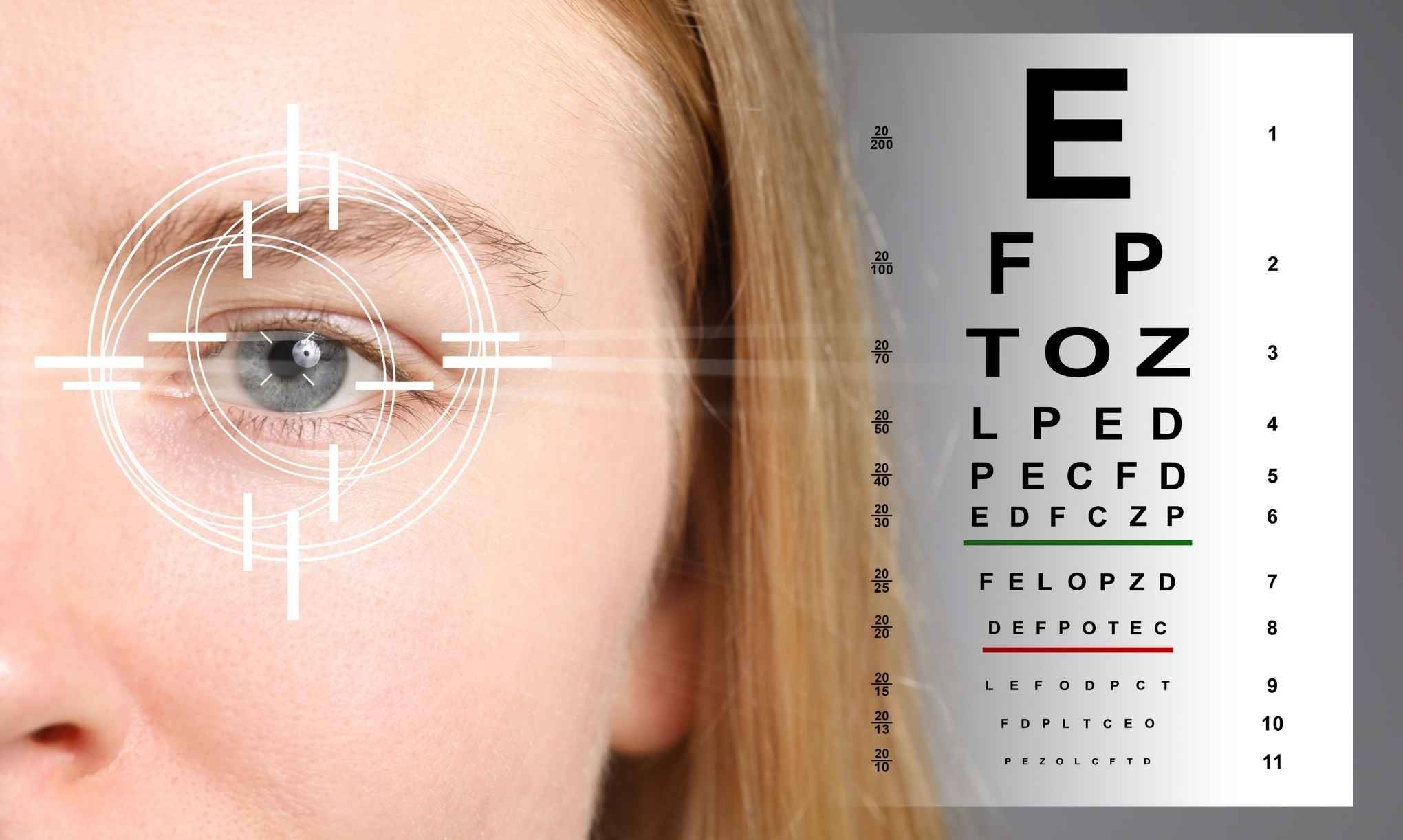
If glasses or contact lenses are part of your daily routine, you’ve likely imagined what life could be like without them. From dealing with dry eyes and lens maintenance to the inconvenience of fogging or misplacement, vision aids can quietly affect everyday comfort. While laser vision correction has been available for years, newer techniques now emphasize precision, minimal disruption, and smoother recovery.
SMILE Pro is one such advancement. Designed as a minimally invasive laser eye procedure, it offers an alternative for people seeking long-term vision correction with modern technology. But determining whether it’s the right option starts with understanding how it works and who it’s best suited for.
Understanding SMILE Pro Vision Correction
SMILE Pro is a laser-based vision correction procedure used primarily to treat myopia, and in some cases astigmatism. It reshapes the cornea so that light entering the eye focuses more accurately on the retina, resulting in clearer vision.
What differentiates SMILE Pro from older techniques is its small-incision approach. Instead of creating a larger corneal flap, the laser works within the cornea and removes a thin layer of tissue through a very small opening. This allows vision correction while preserving much of the cornea’s natural structure.
How The Procedure Works
During SMILE Pro, advanced laser technology creates a precise, lens-shaped piece of tissue within the cornea. This tissue is gently extracted through a small incision, subtly changing the cornea’s shape. Because the surface layers remain largely intact, the procedure minimizes disruption to the eye.
The laser portion itself is brief, and the overall treatment is typically completed within a short timeframe. Many people appreciate that the process is streamlined and does not involve multiple laser systems or extensive corneal manipulation.
How SMILE Pro Compares To Other Laser Options
While LASIK and PRK are well-known laser eye procedures, SMILE Pro differs in its approach. The absence of a large corneal flap means less surface interference, which may appeal to individuals concerned about long-term corneal stability or eye dryness. This makes SMILE Pro particularly attractive to people with active lifestyles, including those who play contact sports or engage in physically demanding activities. That said, suitability varies, and each procedure has its own advantages depending on eye structure and visual requirements.
Who May Benefit Most From SMILE Pro
SMILE Pro is often considered for individuals with stable vision prescriptions who are primarily affected by short-sightedness, with or without astigmatism. It may also suit those looking for a less invasive correction method or those who prefer a procedure with minimal surface alteration.
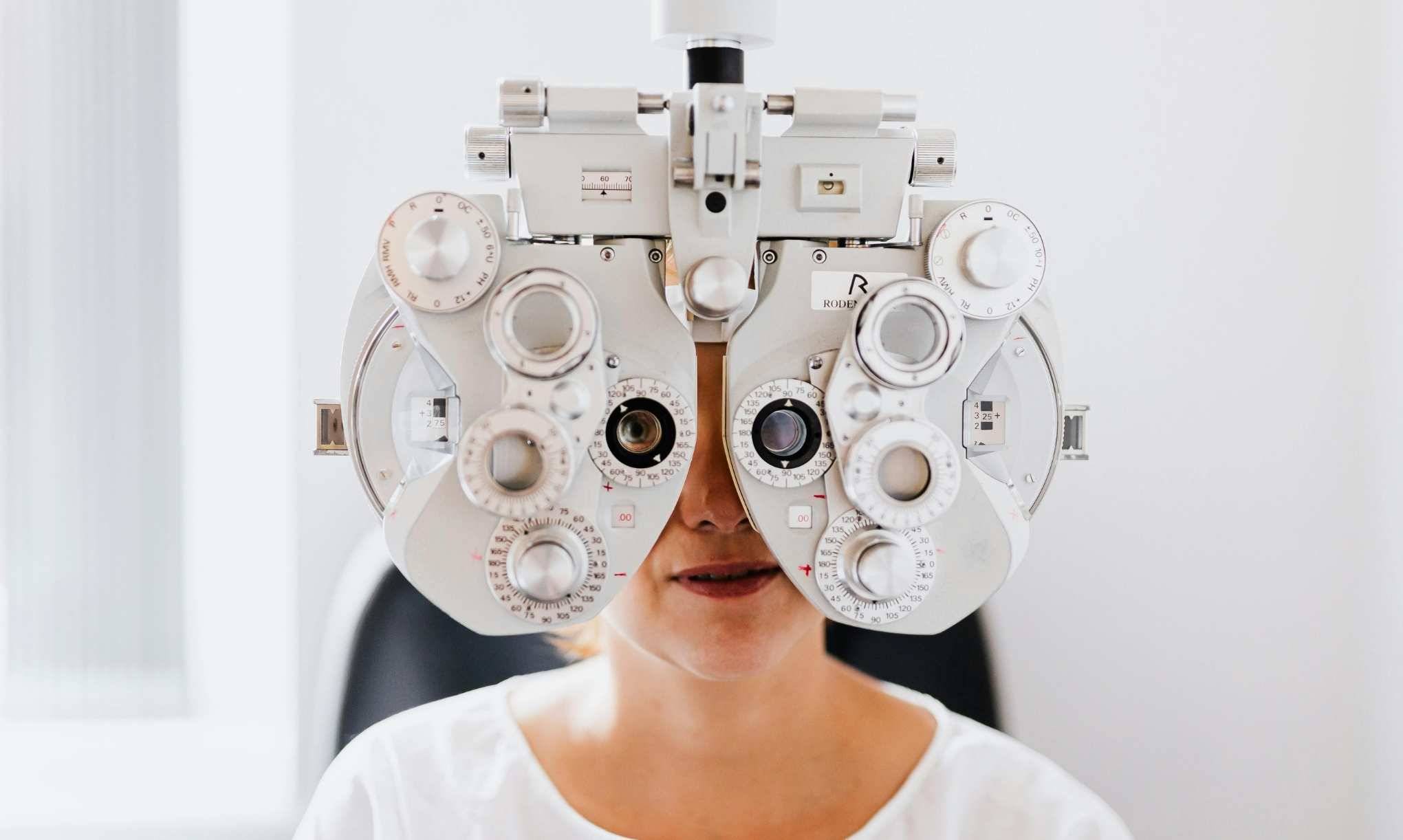
A comprehensive eye assessment is essential before proceeding. Factors such as corneal thickness, eye health, prescription stability, and lifestyle needs all play a role in determining whether SMILE Pro is an appropriate option.
What The Treatment Experience Is Like
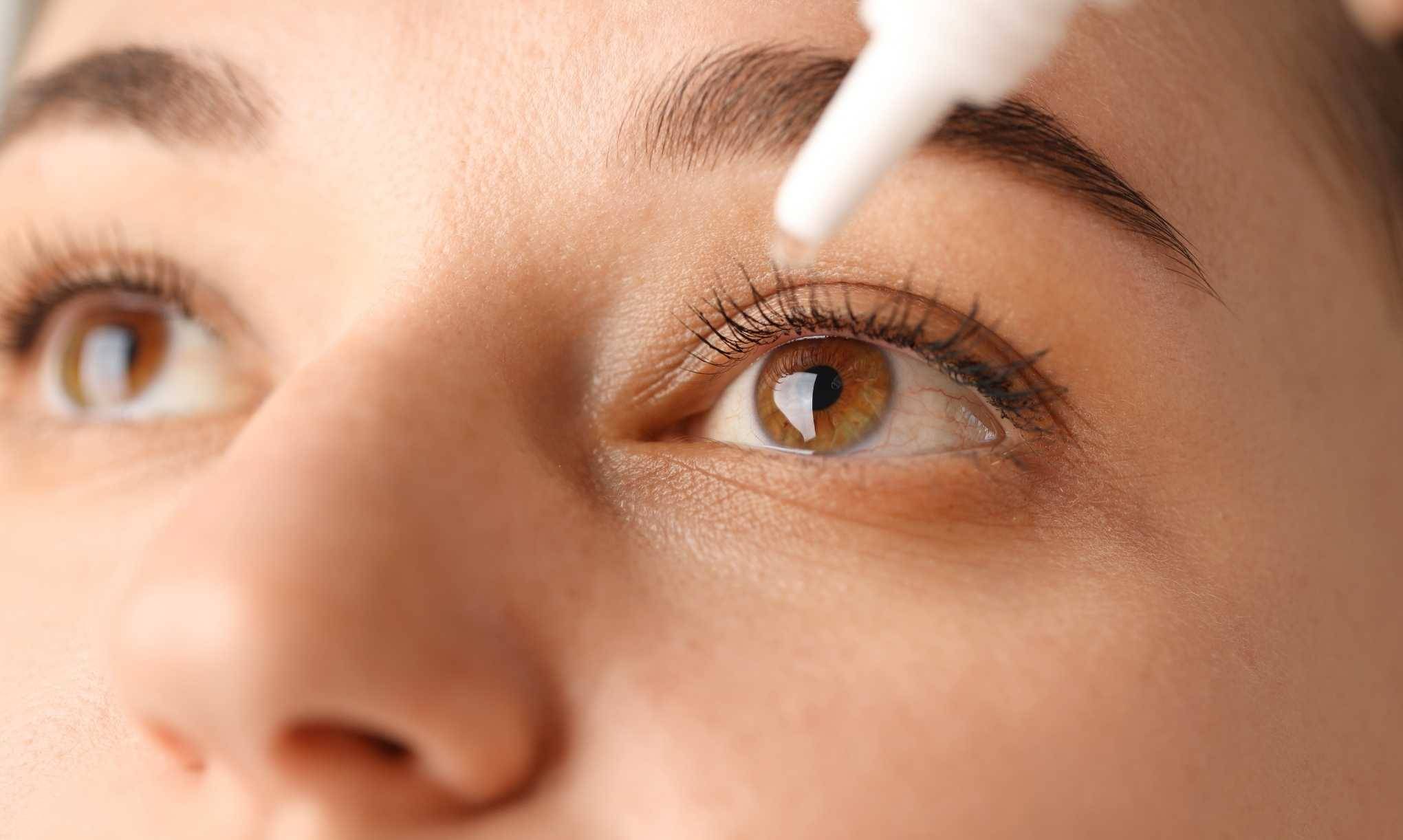
The procedure is performed on an outpatient basis and begins with numbing eye drops to ensure comfort. During treatment, you’ll be asked to focus on a light while the laser works internally within the eye. Most patients report feeling mild pressure rather than pain.
The doctor then removes the targeted tissue through the small incision, completing the reshaping process. The entire experience is generally calm and controlled, with the clinical team guiding you through each step.
Recovery And Visual Improvement
Recovery after SMILE Pro is often described as smooth and manageable. Many people notice functional vision improvement relatively quickly, although clarity may continue to sharpen over the following days or weeks. Temporary dryness, light sensitivity, or mild irritation can occur during early recovery, but these effects typically settle with proper aftercare. Following your doctor’s instructions, including prescribed eye drops and activity guidelines, is key to optimal healing.
Long-Term Results And Expectations
SMILE Pro permanently reshapes the cornea, meaning the correction achieved is intended to be long-lasting. For most people, this significantly reduces or eliminates reliance on glasses or contact lenses for distance vision.
However, it is important to remember that natural age-related changes, such as difficulty with near vision later in life, can still occur. SMILE Pro corrects refractive errors but does not halt the normal aging process of the eyes.
Making An Informed Decision
Choosing laser vision correction is a personal decision that benefits from realistic expectations and professional guidance. The best outcomes are achieved when the procedure aligns with your eye health, lifestyle, and long-term vision goals. Consultation with an experienced eye care professional ensures that SMILE Pro is evaluated alongside other potential options, allowing you to make a choice based on suitability rather than trends.
Exploring Vision Correction With Confidence
For individuals researching advanced vision correction solutions, Trambellir helps simplify the journey by connecting users with reputable clinics and qualified specialists. This allows you to explore treatment options with clarity and confidence, whether locally or as part of a broader wellness plan.
Is SMILE Pro The Right Fit For You?
SMILE Pro offers a modern, minimally invasive approach to vision correction that prioritizes precision and comfort. For suitable candidates, it can be a meaningful step toward clearer vision and reduced dependence on corrective lenses. The key lies in personalized assessment and informed decision-making. With the right guidance, SMILE Pro may provide a long-term solution that fits seamlessly into your lifestyle.
FAQs
Q1. What conditions does SMILE Pro correct?
It is primarily used for myopia and certain levels of astigmatism.
Q2. Is the procedure painful?
Most patients report minimal discomfort due to the application of numbing eye drops.
Q3. How soon can I return to daily activities?
Many people resume normal routines quickly after, though recovery varies individually.
Q4. Are results permanent?
The correction is long-lasting, though age-related vision changes may still occur.
Q5. How do I know if I’m suitable?
If the above conditions match your issues, a detailed eye examination by the doctor will then be required to further determine suitability.


