

Have you ever noticed how much your side profile can change the overall balance of your face? While people often focus on the eyes or smile, the nose is one of the most defining features from the side view.

By Fara Farid | May 15th, 2026
A well-proportioned nose can create harmony between the forehead, lips, and chin, helping the face appear more refined and balanced.
Today, many people are exploring nose treatments not only for cosmetic reasons but also to improve breathing and comfort. From reshaping the nasal bridge to refining the tip or correcting structural problems, treatments such as rhinoplasty, septoplasty, tip plasty, and nose augmentation are becoming increasingly popular worldwide.
Why Side Profile Balance Matters
The side profile plays a major role in facial balance. While people often focus on the eyes or smile when facing forward, the nose becomes one of the most dominant features from the side view. A hump, drooping tip, flat bridge, or asymmetrical shape can affect overall facial proportions.
According to the American Society of Plastic Surgeons (ASPS), rhinoplasty continues to be one of the most commonly performed facial cosmetic procedures because it can improve both appearance and nasal function. Modern nose procedures are now more personalized than ever. Surgeons focus on preserving natural facial identity while improving harmony and symmetry.
Common concerns that affect the side profile include:
· Humped nasal bridge
· Flat or low nose bridge
· Drooping nasal tip
· Crooked nose shape
· Wide or undefined nose structure
· Breathing difficulties caused by internal nasal issues
The right treatment depends on each individual’s facial structure and aesthetic goals.
Rhinoplasty for Overall Nose Reshaping
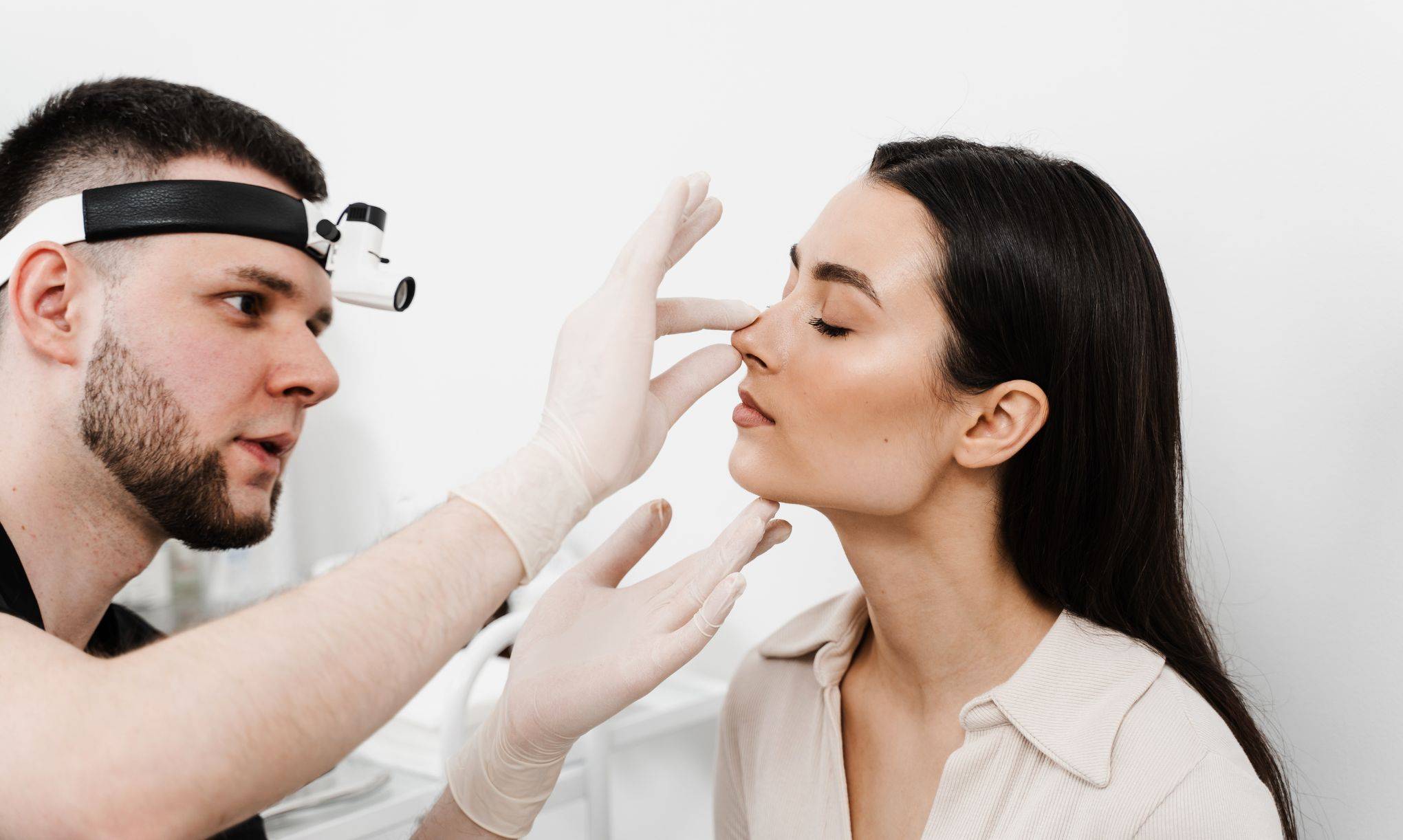
Rhinoplasty, often called a nose job, is a surgical procedure designed to reshape the nose for cosmetic or functional improvement.
This treatment can help address:
· Nose size imbalance
· Nasal humps
· Crooked appearance
· Bulbous or large tip
· Wide nostrils
· Facial asymmetry
Rhinoplasty may involve reducing, refining, or rebuilding nasal structures depending on the desired outcome. Some patients seek subtle improvements, while others require more extensive correction after injury or congenital conditions.
There are two common approaches:
Recovery varies between patients, but swelling generally improves within a few weeks, while final refinement may continue for several months.
Many international patients also explore treatment options abroad through platforms such as Trambellir, which provide access to clinics and medical travel support.
Septoplasty for Better Breathing and Structure
Not all nose procedures are cosmetic. Septoplasty focuses on correcting a deviated septum – the wall separating the nasal passages.
When the septum is displaced, it may cause:
· Nasal blockage
· Difficulty breathing
· Snoring
· Frequent sinus infections
· Sleep disturbances
Septoplasty is often combined with rhinoplasty when both functional and aesthetic concerns are present. This combined procedure, known as septorhinoplasty, can improve breathing while also enhancing the external appearance of the nose.
For individuals whose side profile appears crooked due to structural issues, this approach may provide both cosmetic and medical benefits simultaneously.
Tip Plasty for Subtle but Effective Refinement
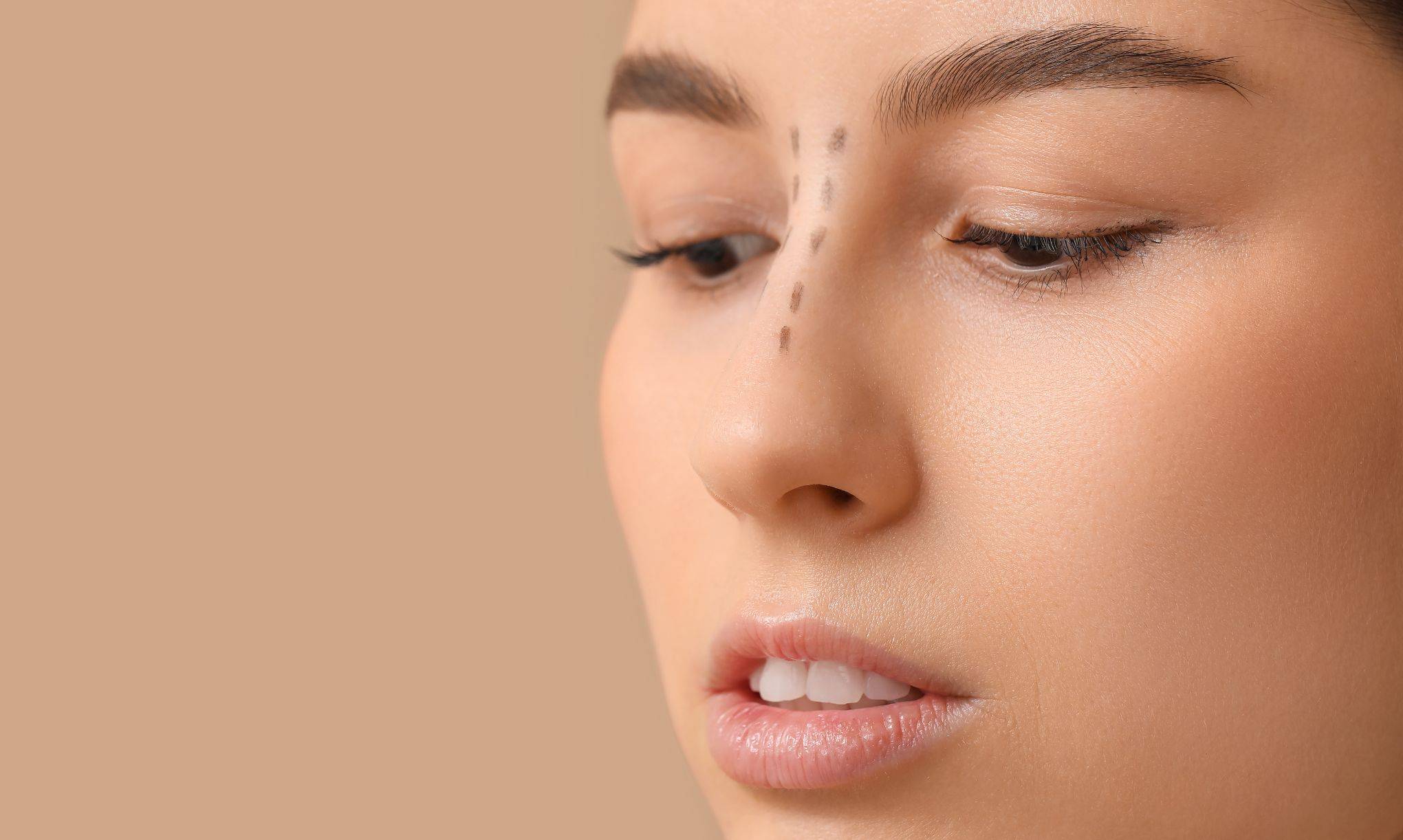
Sometimes, the issue lies mainly in the nasal tip rather than the entire nose. Tip plasty is a more focused procedure designed to reshape the tip area while preserving most of the nasal bridge.
This treatment is commonly chosen by people with:
· Drooping nose tips
· Bulbous tips
· Rounded or wide tip shape
· Mild asymmetry
Because the tip strongly influences the side profile, even small adjustments can make the face appear more balanced and refined. Compared to full rhinoplasty, tip plasty may involve less swelling and a shorter recovery period. It is especially suitable for patients seeking subtle enhancement rather than dramatic transformation.
Nose Augmentation for Better Definition
In many Asian facial profiles, a low nasal bridge is a common concern. Nose augmentation helps increase projection and create a more defined side profile.
This can be achieved using:
· Silicone implants
· Cartilage grafts
· Gore-Tex implants
· Dermal fillers for temporary enhancement
Surgical augmentation generally offers more long-lasting structural improvement, while fillers provide temporary correction with minimal downtime.
The goal of augmentation is not to create an overly sharp nose but to achieve natural-looking definition that complements the rest of the face. Experienced surgeons carefully evaluate facial proportions to ensure the enhancement looks balanced and harmonious.
Surgical vs Non-Surgical Nose Treatments
Non-surgical nose enhancement using fillers has become increasingly popular for patients who want temporary improvement without surgery.
Fillers can help improve:
· Mild humps
· Flat bridges
· Minor asymmetry
· Small contour irregularities
However, fillers cannot reduce nose size or correct breathing problems. Surgical procedures remain the preferred option for major structural changes and long-term correction.
When choosing between surgical and non-surgical options, important considerations include:
· Desired results
· Recovery time
· Budget
· Longevity of results
· Existing nasal anatomy
Consultation with qualified professionals is essential before making a decision.

Enhancing Confidence Through Facial Harmony
Nose treatments are not only about appearance. Many patients report feeling more confident and comfortable after improving facial balance or resolving breathing difficulties.
Modern techniques now prioritize natural-looking outcomes that complement individual facial features rather than creating exaggerated or unrealistic results.
For patients considering treatment overseas, Trambellir offers access to various aesthetic and medical services that support both cosmetic goals and overall patient experience.
FAQs About Nose Treatments
1. Which treatment is best for improving the side profile?
The best treatment depends on the concern. Rhinoplasty improves overall shape, tip plasty focuses on the nasal tip, augmentation enhances bridge definition, and septoplasty improves breathing issues.
2. Is rhinoplasty permanent?
Yes, rhinoplasty provides long-term structural changes, although natural aging may still affect facial appearance over time.
3. How long is recovery after nose surgery?
Most patients return to light activities within one to two weeks, while swelling continues improving over several months.
4. Can septoplasty improve appearance too?
Septoplasty mainly improves breathing, but it is often combined with cosmetic reshaping procedures for better overall results.
5. Are non-surgical nose fillers safe?
When performed by qualified professionals, dermal fillers are generally considered safe, though results are temporary and require maintenance sessions.


