

You’ve made the decision, braces are going on, and the journey to a confident smile begins. But as soon as those brackets and wires are fitted, the first question that usually pops up is: “When will I start to see results?”
By Kath Wong | November 17th, 2025
Braces are not just about straightening teeth; they’re about reshaping how your mouth, bite, and facial structure align. And while everyone’s orthodontic journey is unique, understanding the timeline helps set clear expectations — and a bit of patience can make all the difference.
Let’s break down what really happens once you get braces, how long results take to appear, and what factors can help you achieve your dream smile faster and more effectively.
What Happens When You First Get Braces?
The first few weeks of wearing braces often come with mild discomfort — but that’s actually a sign they’re working. Braces apply gentle, continuous pressure on your teeth, guiding them into better alignment over time.
Here’s what happens in the early stages:
· Days 1 to 7: Your mouth adjusts to the brackets and wires. You might feel tenderness or soreness as your teeth begin to shift microscopically.
· Weeks 2 to 4: Subtle tooth movement begins. You may not see a major change yet, but the roots are slowly repositioning beneath the gums.
· Month 1 to 3: Many patients start noticing slight changes — especially if they had mild crowding or spacing issues.
According to the American Association of Orthodontists (AAO), visible changes typically appear within the first 3 to 6 months, though complete results can take anywhere between 12 to 36 months, depending on the case.
Factors That Affect How Quickly You See Results
Not everyone’s teeth move at the same pace. The timeline depends on various biological and treatment-related factors.
1. The Complexity of Your Case
Simple alignment issues, such as minor crowding or spacing, can often be corrected within 6 to 12 months. More complex cases — involving overbites, underbites, or jaw alignment — may take up to 2 to 3 years for full correction.
2. Type of Braces Used
Different types of braces apply pressure in unique ways:
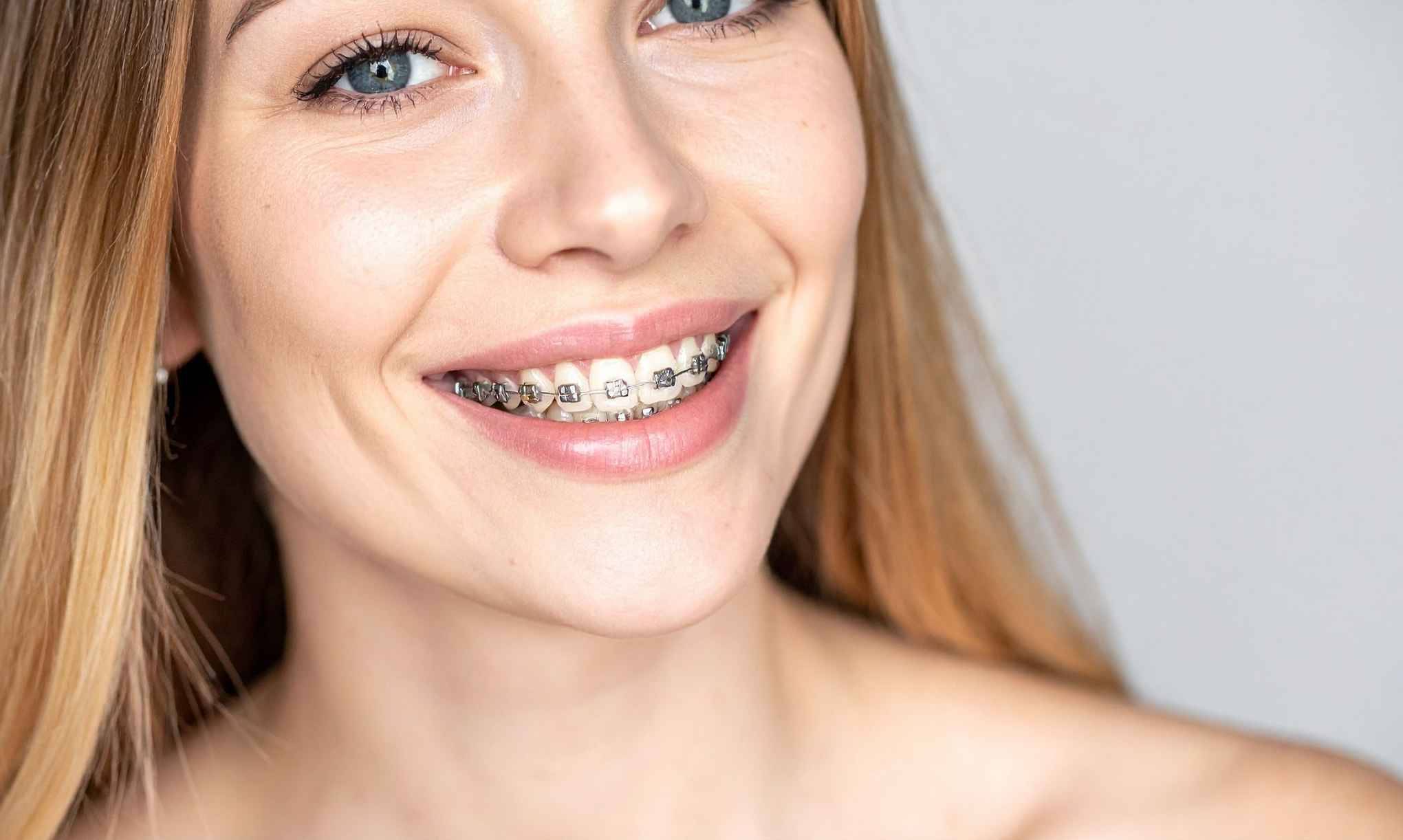
· Traditional metal braces: Most effective for major misalignments; results may take longer but are highly reliable.
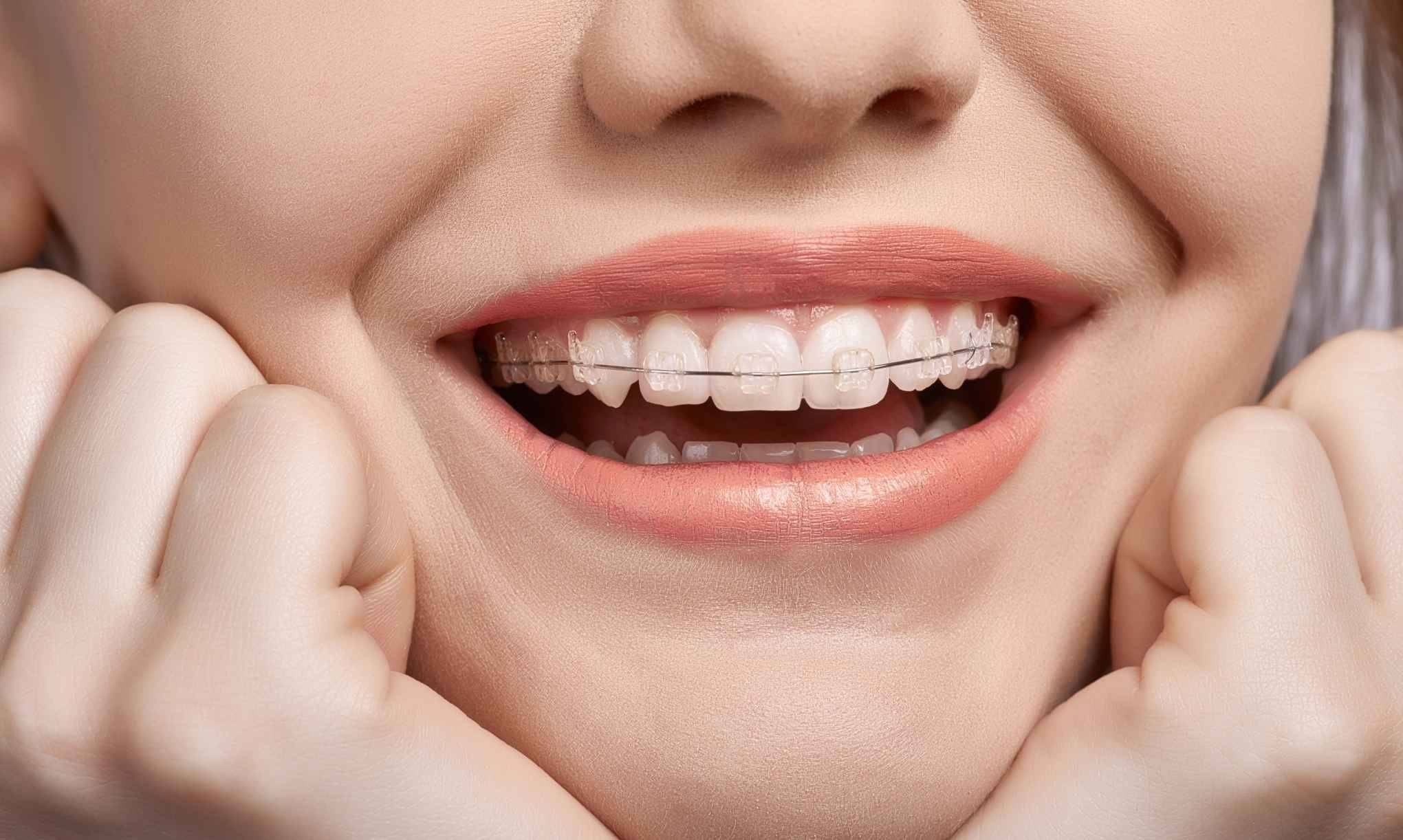
· Ceramic braces: Work similarly to metal but are more discreet.
· Lingual braces: Hidden behind the teeth; slightly slower due to limited force direction.
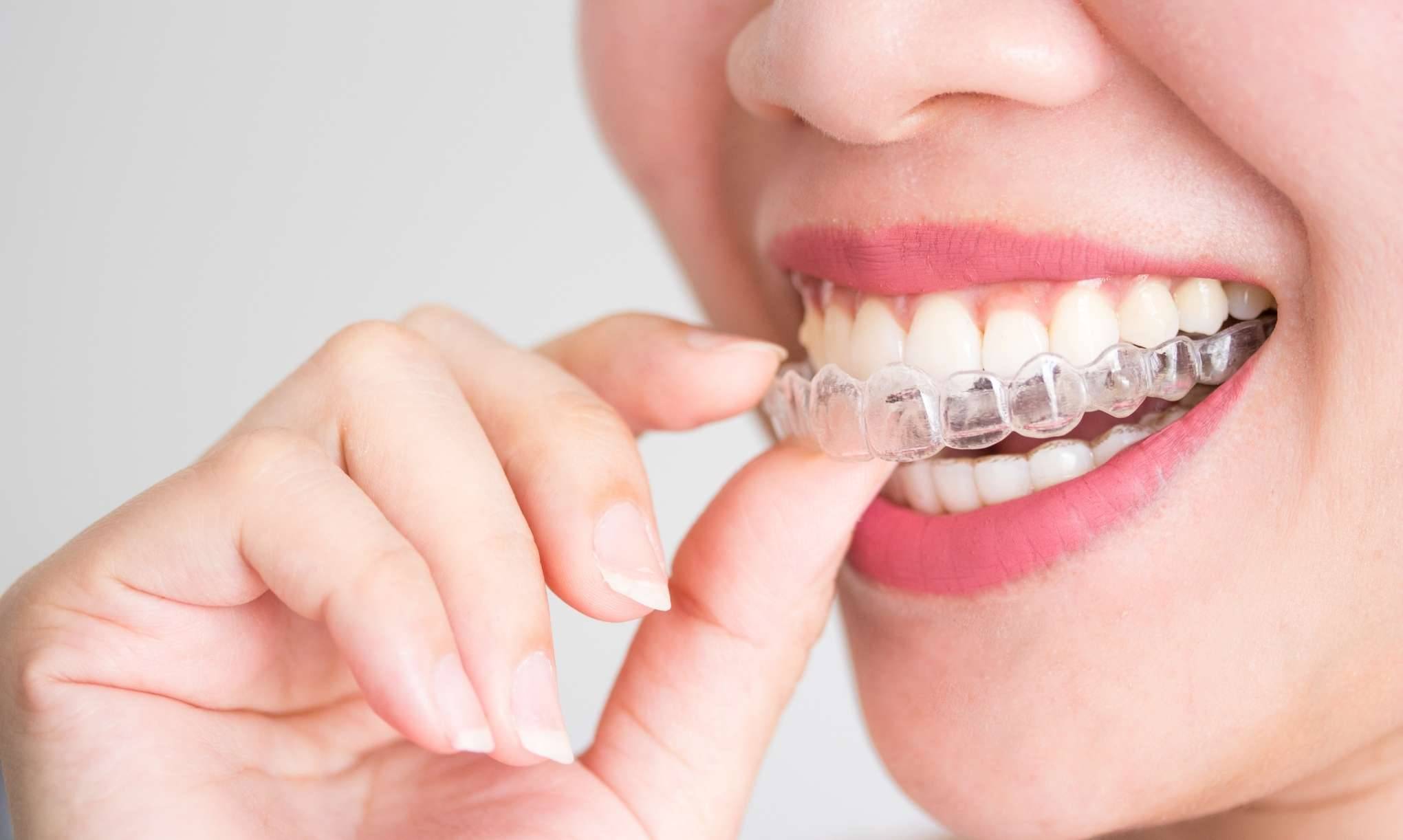
· Clear aligners (e.g., Invisalign): Usually faster for mild to moderate cases — often showing visible changes in 2 to 3 months.
Modern orthodontics now offers accelerated treatment systems like self-ligating braces and vibration devices that may speed up the process when supervised by an orthodontic specialist.
How Soon Will You Notice Visible Changes?
Patients often start to see slight changes within the first 4 to 8 weeks. However, this depends on your initial tooth positioning and the type of movement required.
Typical timeline for visible improvement:
· 1 to 2 months: Teeth begin to align slightly; noticeable in photos.
· 3 to 6 months: Bite starts improving; front teeth become straighter.
· 6 to 12 months: Overall symmetry and arch shape improve significantly.
· 12 to 24 months: Final adjustments ensure long-term stability and perfect alignment.
Remember, while results may take time, they happen gradually, meaning every small shift is progress toward your ideal smile.
The Role of Consistency in Orthodontic Success
A crucial yet often overlooked factor is patient consistency. How well you follow your orthodontist’s advice can significantly influence how quickly you see results.
Here’s what helps:
· Attending regular adjustment appointments: These visits keep your braces functioning optimally.
· Wearing elastics as prescribed: Skipping rubber bands can delay correction by months.
· Maintaining oral hygiene: Plaque buildup can interfere with tooth movement.
· Avoiding hard or sticky foods: Damage to brackets or wires can halt progress temporarily.
Orthodontic treatment is a team effort; your dentist adjusts, but your care between visits determines the pace of success.
Can You Speed Up the Braces Timeline?
While you can’t rush biology, you can support faster, healthier tooth movement through certain habits and lifestyle adjustments.
Practical tips to optimize your results:
· Stick to your orthodontic schedule. Missing appointments prolongs treatment.
· Eat a nutrient-rich diet. Calcium, vitamin D, and protein strengthen bones and teeth.
· Stay hydrated. Dry mouth can affect gum health and comfort.
· Use orthodontic wax and mouth rinses. These reduce irritation and help you maintain consistency.
· Ask your orthodontist about acceleration devices. FDA-approved systems like AcceleDent use micro-pulses to promote faster tooth movement.
Some clinics available through Trambellir’s global wellness network offer advanced orthodontic technologies and accelerated options that can safely reduce treatment time; ideal for individuals seeking efficient, high-quality results under expert care.
Why You Shouldn’t Compare Your Progress to Others?
It’s tempting to compare your timeline to someone else’s, especially when friends or family seem to achieve faster results. But each smile is unique.
Genetics, bone density, oral hygiene, and even stress levels can impact how your teeth respond to orthodontic pressure. A 2020 study in the European Journal of Orthodontics found that biological variation accounts for up to 30% of differences in tooth movement speed among patients.
So instead of measuring time, focus on consistency and care. Your orthodontist’s guidance — and your commitment — matter far more than the calendar.
Life After Braces
Once the braces come off, the journey isn’t over. Teeth naturally try to return to their previous positions, a process called relapse. That’s why retainers are crucial for long-term success.
Post-treatment essentials:
· Wear retainers as directed. Initially full-time, then gradually transition to nighttime wear.
· Keep up with dental hygiene. Regular cleanings prevent staining or decay.
· Monitor for any movement. Report changes to your orthodontist early.
To maintain the results, you might consider occasional dental polishing, whitening, or retainer checkups — services often offered by professional dental clinics featured on Trambellir, ensuring your smile stays as radiant as the day your braces came off.
How to Know If Braces Are Working Properly
If you’re unsure whether your braces are producing results, look out for these subtle signs:
· Tightness or pressure after adjustments (a good indicator of tooth movement).
· Noticeable changes in tooth gaps or bite alignment.
· Fewer food particles getting stuck between teeth as they align.
· Orthodontist confirming progress at each appointment.
If you ever feel like progress has stalled, your orthodontist can adjust wire tension or change the treatment plan to keep things on track.
The Reward - A Confident, Lasting Smile
Braces are a journey of transformation, both physical and emotional. The gradual improvement you see over months is a reflection of patience, discipline, and care. The average treatment lasts 18 to 24 months, but the result - a confident, aligned, and healthy smile.
Whether you’re exploring options for traditional braces, invisible aligners, or comprehensive dental care, trusted wellness platforms like Trambellir make it easy to connect with licensed specialists worldwide — helping you take your first step toward a beautiful, lasting smile.
FAQs
Q1. How soon will I notice changes after getting braces?
Most patients start noticing visible changes between 4 to 8 weeks, although significant results usually appear within 3 to 6 months depending on tooth movement and case complexity.
Q2. Do adults take longer to see results with braces?
Yes, adult teeth often move more slowly because of denser bone structure. However, modern orthodontic technologies and consistent care can still produce excellent results.
Q3. Can clear aligners work faster than traditional braces?
For mild to moderate alignment issues, clear aligners may show visible improvements in as little as 2 to 3 months, provided the trays are worn as prescribed.
Q4. What happens if I miss orthodontic appointments?
Missed adjustment appointments can delay tooth movement and extend your overall treatment time. Regular visits ensure continuous and optimal progress.
Q5. How can I keep my results after braces?
Wearing your retainer consistently and maintaining good oral hygiene ensures your teeth remain perfectly aligned for years to come. Regular dental checkups and cleanings also help preserve your smile.


