

Chemical peels have evolved far beyond traditional “downtime-heavy” treatments
By Kath Wong | February 23rd, 2026
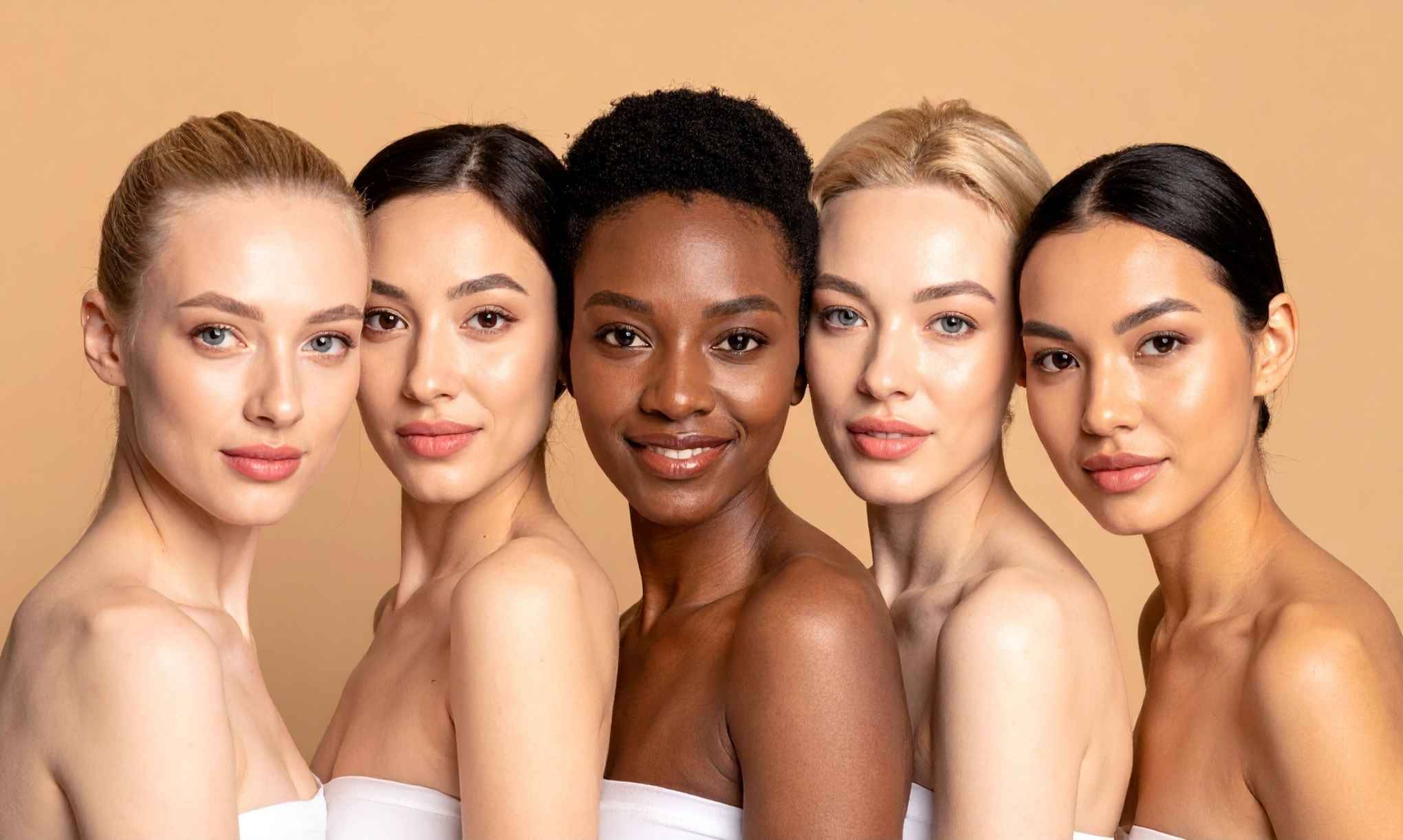
Today’s trending peels offer everything from gentle hydration and glow enhancement to deeper resurfacing for acne scars and pigmentation. With so many options available, understanding the differences can help you choose the right peel based on your skin type, lifestyle, and desired results.
Here’s a closer look at some of the most talked-about peels right now: Aqua Peel, LHALA Peel, PLA Peel, Jessner Peel, and Aladdin Peel.
Aqua Peel: Gentle Deep Cleansing And Instant Glow
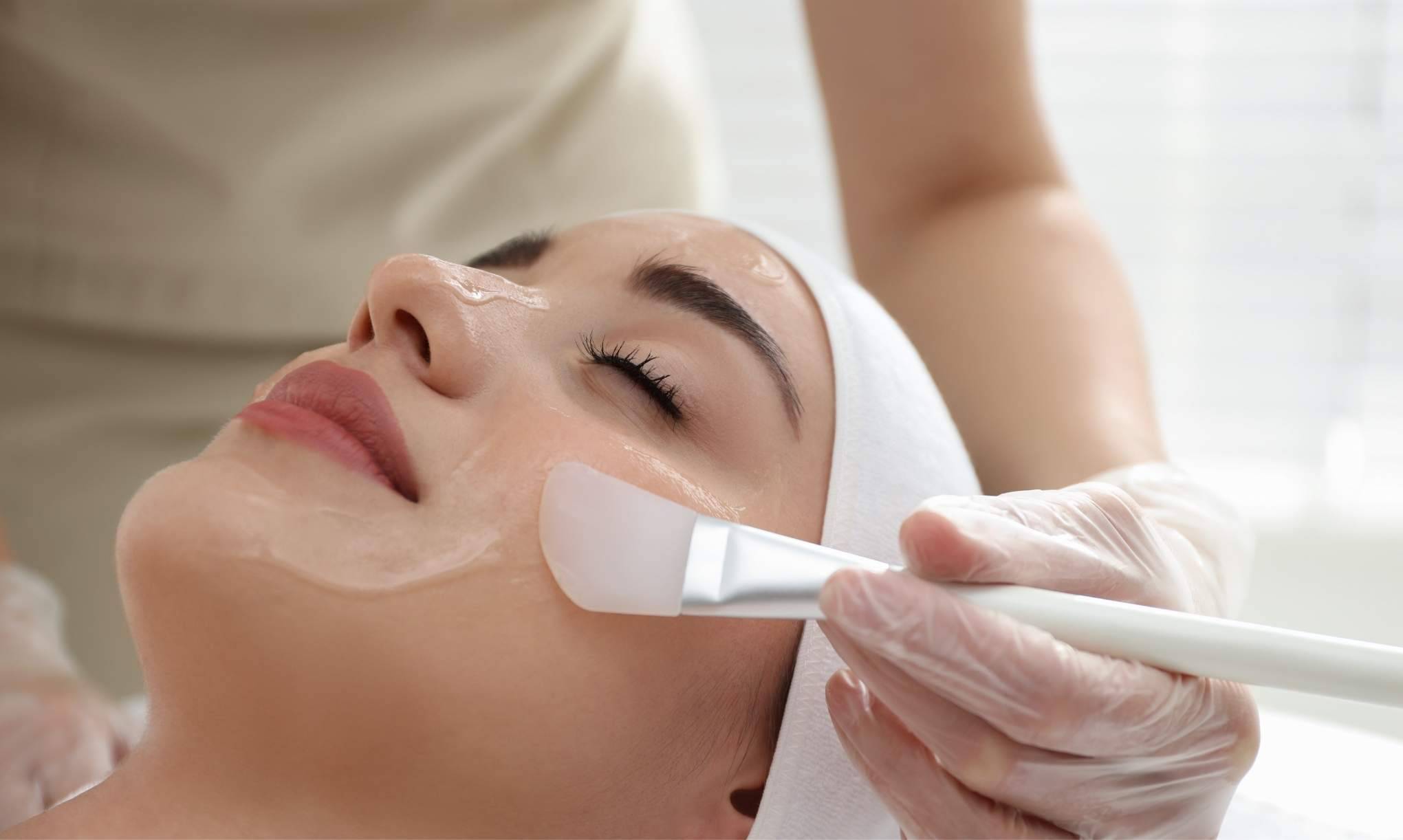
Aqua Peel is often considered an entry-level peel, ideal for those who want clearer, brighter skin without visible peeling or downtime.
This treatment uses water-based exfoliation combined with mild acids and controlled suction to remove dead skin cells, unclog pores, and hydrate the skin simultaneously. Unlike traditional chemical peels that focus solely on exfoliation, Aqua Peel also infuses hydrating and nourishing solutions during the process.
It’s commonly chosen for:
· Dull or congested skin
· Enlarged pores
· Mild acne and blackheads
· Pre-event skin preparation
Because it is gentle and non-invasive, Aqua Peel is suitable for most skin types, including sensitive skin.
LHALA Peel: Next-Generation Gentle Resurfacing
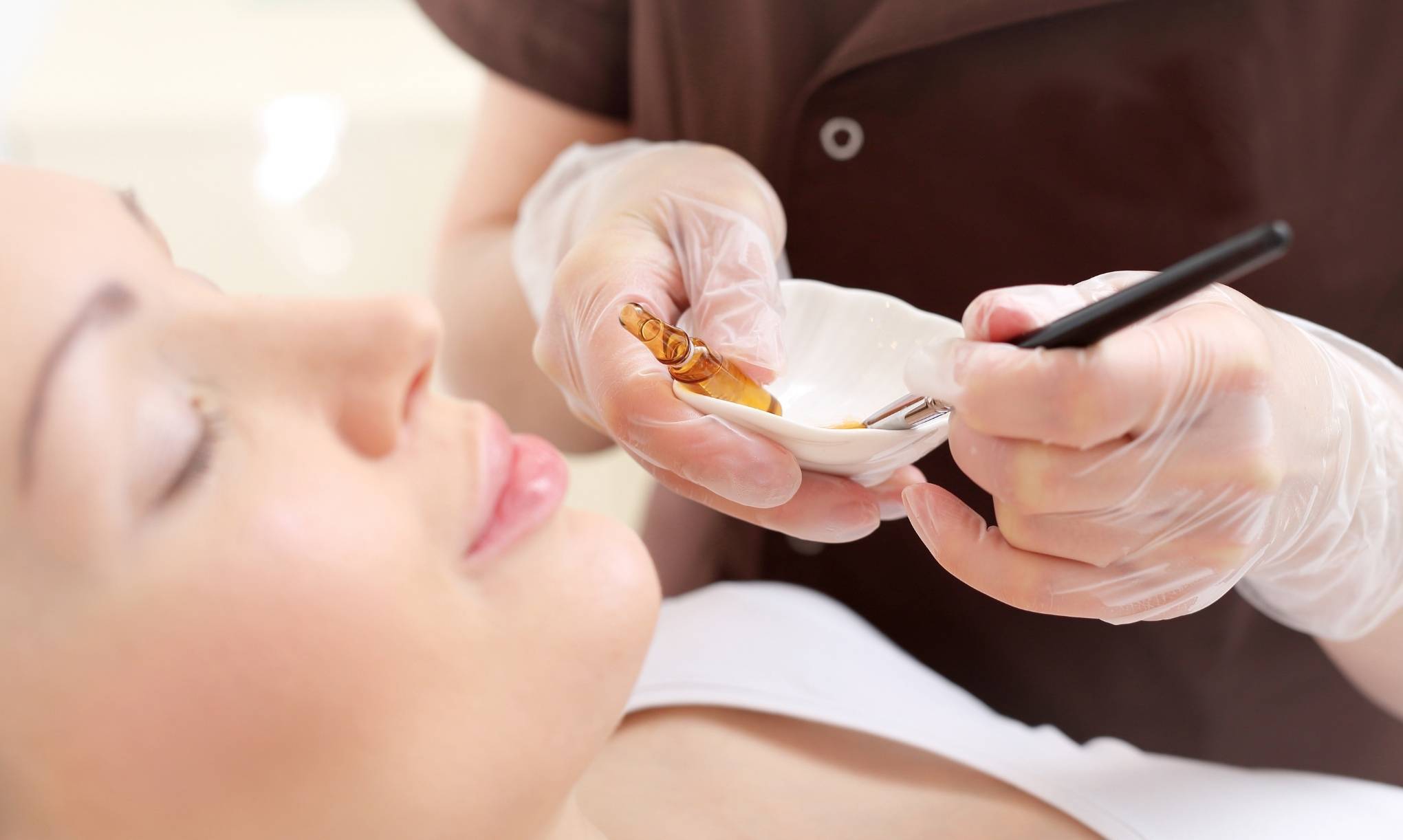
LHALA Peel is gaining attention for delivering effective resurfacing with minimal irritation. It typically combines lipo-hydroxy acids (LHA) with alkaline balancing properties to exfoliate while protecting the skin barrier.
Unlike stronger peels that can cause visible flaking, LHALA Peel focuses on gradual renewal and barrier support. This makes it popular among individuals who want smoother texture and brighter tone without aggressive peeling.
It may be suitable for:
· Sensitive or reactive skin
· Acne-prone skin
· Uneven texture
· Early signs of aging
The controlled penetration allows for effective exfoliation while reducing post-treatment discomfort.
PLA Peel: Biostimulating Skin Renewal
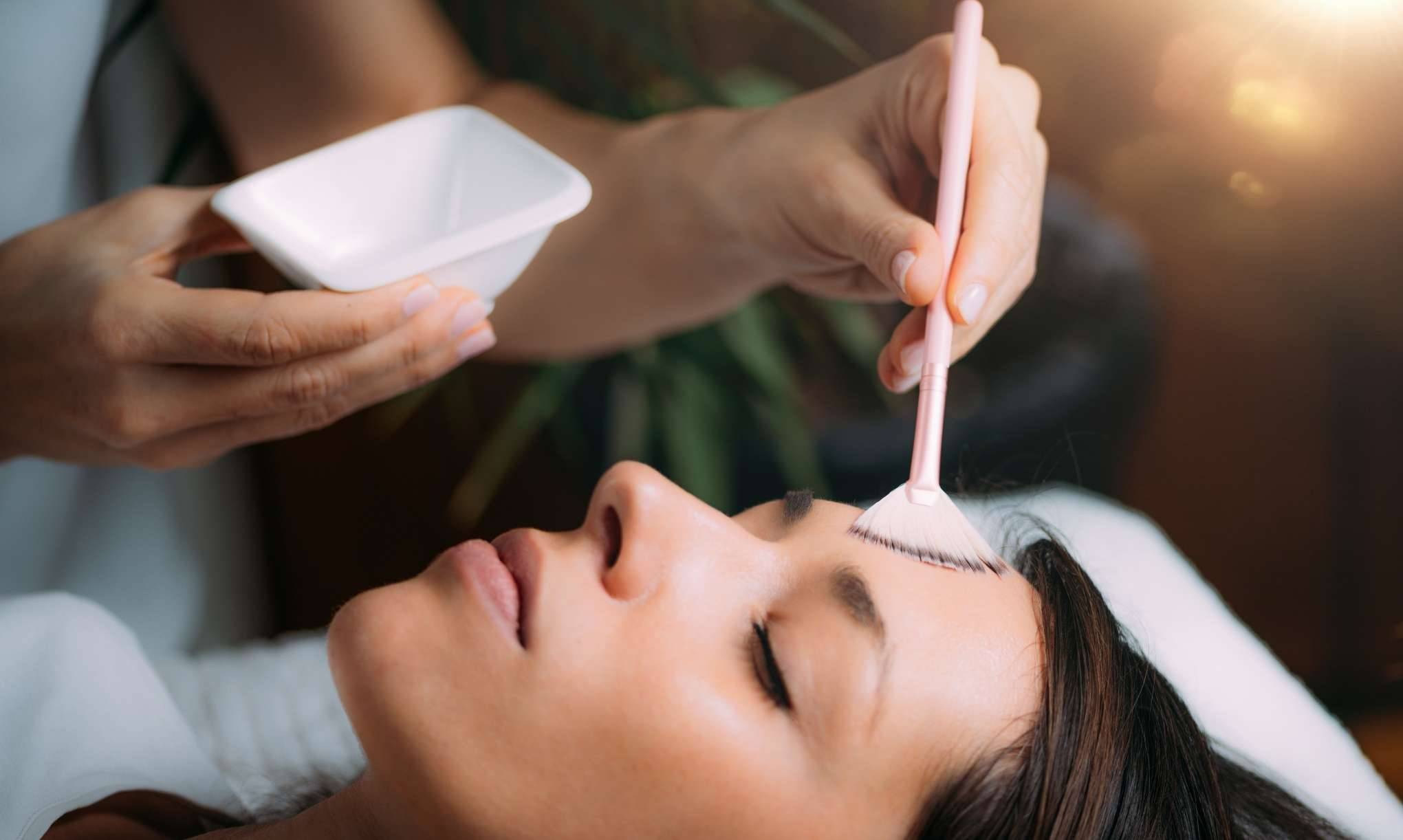
PLA Peel is often discussed for its dual action — exfoliation combined with skin stimulation. Beyond removing dead skin cells, it works to encourage collagen production and skin regeneration.
This type of peel is commonly chosen by individuals looking to address:
· Fine lines and early aging
· Uneven tone
· Mild pigmentation
· Skin laxity
Because of its regenerative focus, results tend to develop progressively as collagen remodeling continues after treatment. Some mild peeling may occur, depending on skin condition and formulation strength.
Jessner Peel: Classic For Acne And Pigmentation
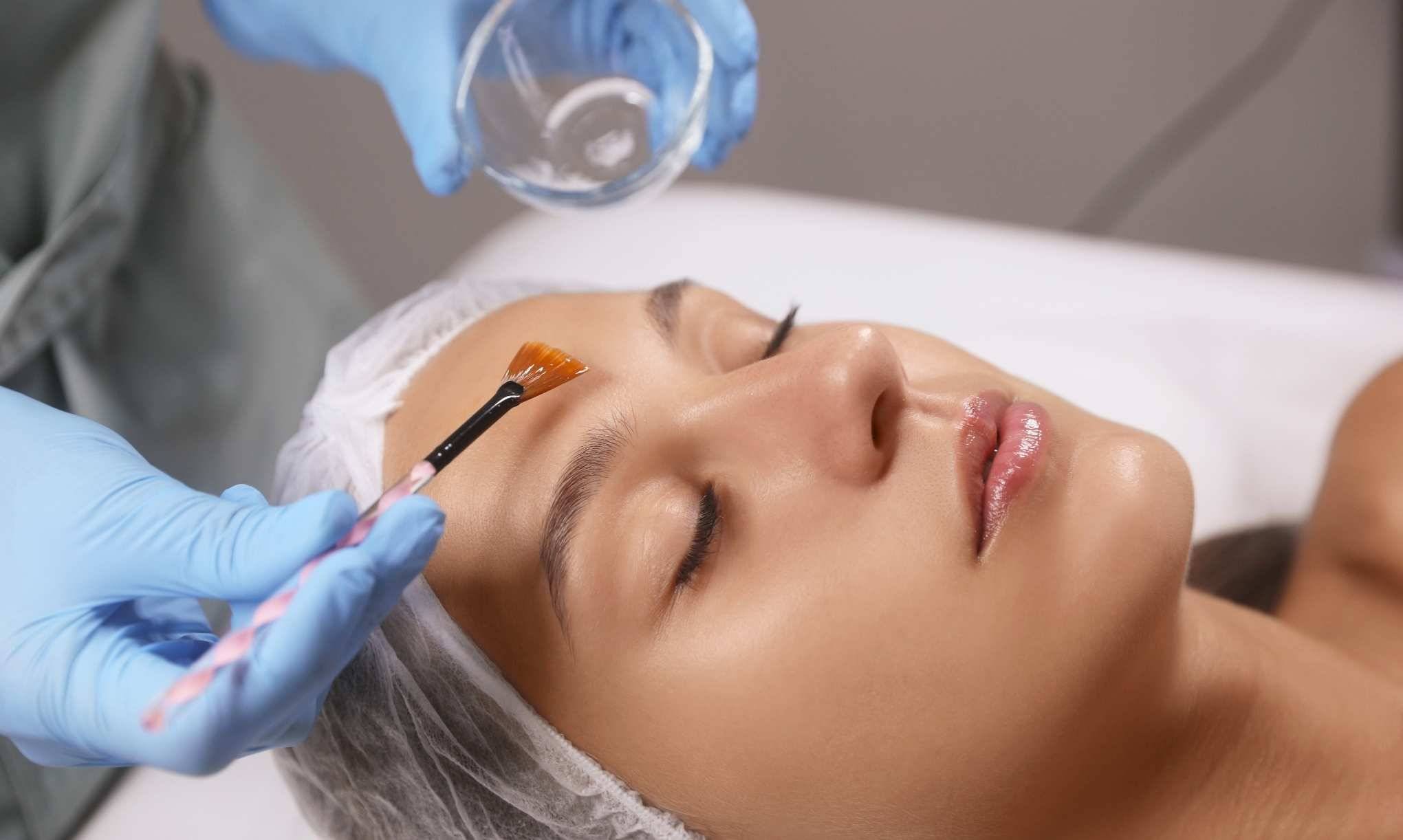
Jessner Peel remains a well-established option in aesthetic clinics. It typically combines ingredients such as salicylic acid, lactic acid, and resorcinol to target oiliness, acne, and pigmentation.
This peel penetrates more deeply compared to gentler treatments like Aqua Peel, making it suitable for individuals with more persistent concerns.
It is often recommended for:
· Acne-prone skin
· Oily skin
· Post-acne pigmentation
· Sun damage
Visible peeling and downtime may occur, particularly with medium-depth applications. However, many choose Jessner Peel for its effectiveness in refining skin clarity and reducing breakouts.
Aladdin Peel: Glow-Boosting Resurfacing
Aladdin Peel has gained popularity as a radiance-enhancing peel that aims to improve tone and texture while promoting a smoother appearance.
It is frequently chosen for:
· Dull complexion
· Uneven skin tone
· Mild pigmentation
· Overall brightening
Depending on formulation and skin type, light peeling may occur in the days following treatment. The focus is on revealing fresher, brighter skin while maintaining a balanced healing process.
Choosing The Right Peel For Your Skin
Selecting the right peel depends on several factors:
1) Your skin type – Sensitive skin may respond better to gentler options like Aqua or LHALA Peel, while oilier or acne-prone skin may benefit from Jessner Peel.
2) Your concerns – For glow and hydration, Aqua Peel is often sufficient. For acne scars or pigmentation, stronger resurfacing peels may be more appropriate.
3) Your downtime tolerance – Some peels involve visible peeling for several days, while others allow you to return to normal activities immediately.
4) Your long-term goals – If you’re focusing on collagen stimulation and anti-aging, PLA Peel may offer gradual regenerative benefits.
A professional skin assessment is essential before choosing a peel, as combining or alternating treatments is sometimes recommended for optimal results.
Can Peels Be Combined With Other Treatments?
Many aesthetic plans integrate peels with treatments such as laser therapy, skin boosters, or microneedling for enhanced outcomes. For example, a gentle peel may prepare the skin before laser treatments, or follow-up peels may help maintain clarity after acne therapy.
The key is proper timing and customization to avoid over-exfoliation.
Are Chemical Peels Safe?
When performed by trained professionals, peels are generally safe and controlled. Temporary redness, dryness, or peeling can occur depending on depth and formulation. Sun protection and post-treatment skincare are crucial to support healing and maintain results. Individuals with active infections, severe skin sensitivity, or certain medical conditions should consult a professional before proceeding.
Final Thoughts: Peel Smart, Not Just Trendy
Trending treatments can be exciting, but the best peel is not necessarily the most popular — it’s the one that aligns with your skin’s condition and your lifestyle. Whether you’re looking for a quick glow before an event or a deeper solution for acne scars and pigmentation, today’s peel options offer a range of intensities and benefits. Exploring curated aesthetic providers through platforms like Trambellir can help you compare options and make informed decisions tailored to your skin journey.
Glowing skin isn’t about chasing every trend — it’s about choosing the right treatment at the right time.
FAQs
Q1. How do I know which peel is suitable for me?
A consultation with a qualified practitioner is important. Your skin type, current condition, and goals will determine whether you need a gentle hydrating peel or a deeper resurfacing treatment.
Q2. Will my skin visibly peel after treatment?
It depends on the type of peel. Aqua Peel and LHALA Peel typically involve little to no visible peeling, while Jessner and some PLA or Aladdin Peels may cause mild to moderate flaking.
Q3. How often can I get a chemical peel?
Frequency varies by peel type. Gentle peels may be done monthly, while stronger peels require longer intervals to allow full skin recovery.
Q4. Are chemical peels painful?
Most peels cause mild tingling or warmth during application. Discomfort is usually temporary and manageable.
Q5. Can peels help with acne scars?
Superficial peels may improve mild texture irregularities, but deeper acne scars often require combination treatments such as microneedling or laser therapy alongside peels.
Q6. Is there downtime after a peel?
Downtime depends on the peel depth. Some treatments allow immediate return to normal activities, while others may involve redness and peeling for several days.
Q7. Is sun protection necessary after a peel?
Yes, skin becomes more sensitive after exfoliation, so sunscreen and proper aftercare are essential to protect results and prevent pigmentation.


