

When was the last time you thought about your breast health?

By Kath Wong | December 22nd, 2025
For many women, routine checkups are common, but breast screenings often take a backseat — until there’s a reason to worry. The truth is, early detection can mean the difference between simple treatment and a life-threatening condition. Breast cancer remains one of the most prevalent cancers worldwide, but it’s also among the most treatable when caught early.
Understanding the different types of breast cancer screenings empowers you to make informed decisions about your health. From mammograms to MRIs, each test has its strengths — and knowing which one suits your needs can save time, stress, and potentially your life.
1. Mammogram: The Gold Standard For Early Detection
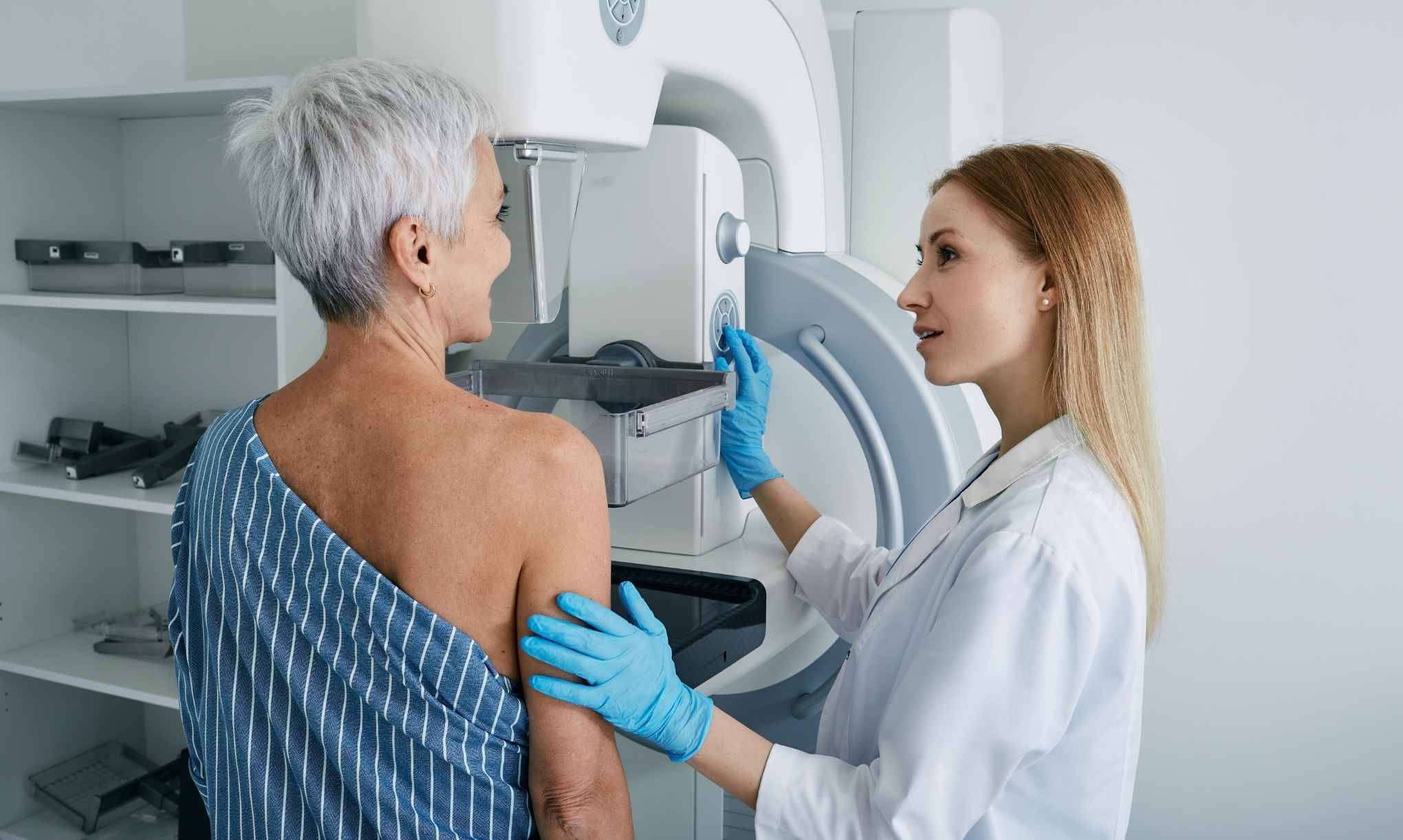
A mammogram is the most common and reliable screening test for detecting breast cancer. It uses low-dose X-rays to create detailed images of the breast, allowing doctors to identify lumps, calcifications, or other abnormalities that may not be felt during a physical exam.
Types of Mammograms:
· 2D Mammogram: Provides two flat images of the breast — one from the top and one from the side
· 3D Mammogram (Tomosynthesis): Produces multiple layered images for a more comprehensive view, reducing false positives and improving accuracy
According to the American Cancer Society (ACS), regular mammograms can reduce breast cancer mortality by about 30 to 40% among women aged 40 to 70.
When to get it:
· Women aged 40 and above should have a mammogram every 1 to 2 years.
· Those with a family history or genetic risk may start earlier, as advised by their doctor.
If you’re considering scheduling a mammogram or breast check abroad for convenience or privacy, wellness platforms like Trambellir can help connect you to certified screening centers that offer high-quality diagnostic care.
2. Breast Ultrasound: The Ideal Companion Test
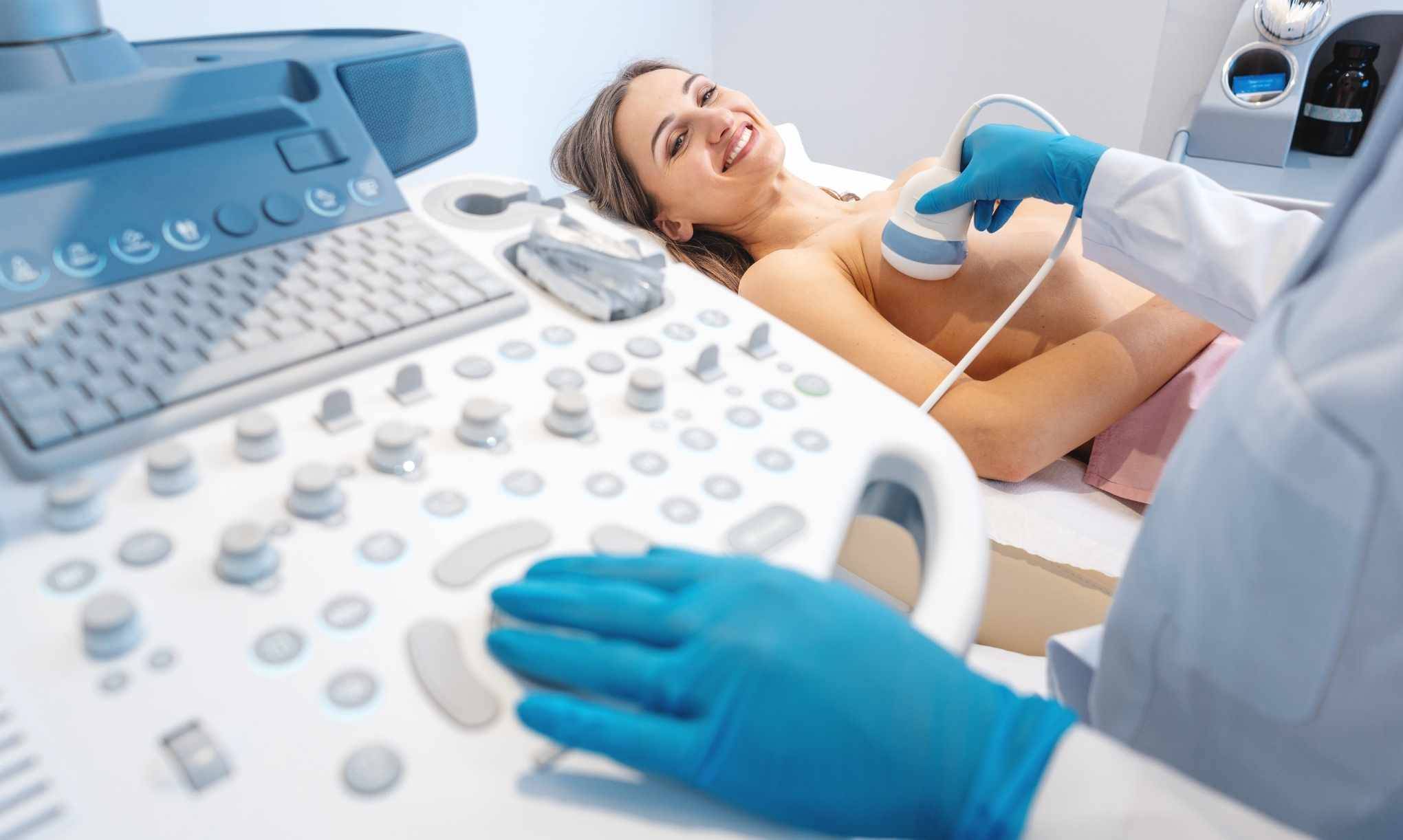
While mammograms remain the first line of defense, a breast ultrasound plays an essential supporting role — especially for women with dense breast tissue. Dense tissue can sometimes mask small tumors on a mammogram image, and ultrasound uses sound waves instead of radiation to capture real-time images of breast structures.
Key Benefits:
· Differentiates between solid masses (tumors) and fluid-filled cysts
· Useful for guiding biopsies
· Safe for pregnant or younger women where radiation exposure is a concern
However, ultrasounds are not typically used as the primary screening tool because they can miss tiny calcium deposits that mammograms can detect. In practice, doctors often recommend a combination of mammogram and ultrasound for more accurate detection, particularly in patients under 40 or those with dense breast tissue.
3. Breast MRI: The Most Sensitive Screening Tool
A Magnetic Resonance Imaging (MRI) scan provides an incredibly detailed look at breast tissue using magnets and radio waves — without any radiation. It is considered the most sensitive breast screening tool available, capable of detecting cancers that may be invisible on mammograms or ultrasounds.
Who Should Consider A Breast MRI:
· Women with BRCA1 or BRCA2 gene mutations
· Those with a strong family history of breast cancer
· Patients who have undergone prior radiation therapy
· People with implants or post-surgical changes
MRIs are typically used alongside mammograms, not as replacements. According to the National Cancer Institute (NCI), MRI screenings can detect up to 30% more cancers in high-risk women compared to mammography alone.
4. Clinical Breast Exam: The Hands-On Check
A Clinical Breast Exam (CBE) is performed by a trained healthcare professional who manually examines your breasts for lumps, thickening, or any visual changes such as dimpling or discharge.
What to Expect:
· The doctor inspects both breasts visually and physically
· The underarms and collarbone areas are also checked for swollen lymph nodes
· The process is quick, safe, and can detect abnormalities that warrant further imaging
Although it cannot replace imaging tests, a clinical exam complements them — especially in regions where advanced screenings may not be readily available.
According to a 2019 review in the Journal of Clinical Oncology, regular clinical exams can detect about 40% of cancers that might not be visible on early imaging tests, emphasizing their continued importance in early detection strategies.
5. Self-Breast Examination: Your First Line Of Awareness
While not a substitute for medical screenings, a Self-Breast Examination (SBE) is a powerful habit that encourages body awareness. By knowing the normal shape, size, and texture of your breasts, you can notice changes early and seek medical advice promptly.
How to Do It:
· Examine your breasts monthly, preferably a few days after your period ends
· Use the pads of your fingers to feel for lumps, thickened areas, or unusual pain
· Look for changes in shape, colour, or nipple discharge
Research from the American Journal of Public Health suggests that women who perform regular self-exams are more likely to detect lumps at an earlier stage, improving the likelihood of successful treatment.
6. Digital Thermography: A Non-Invasive Alternative
Digital infrared thermography uses heat sensors to detect temperature differences across the breast. Cancerous tissues often show increased blood flow and heat patterns. While this method is completely radiation-free and painless, it is not a replacement for mammography or MRI due to lower diagnostic accuracy.
Best for:
· Individuals seeking supplemental screening
· Those unable to undergo mammography due to implants or radiation sensitivity
Thermography can provide early physiological insights before structural changes occur, but any suspicious results must be followed up with standard imaging tests.
7. Genetic Testing For Breast Cancer Risk
Although not a “screening” in the traditional sense, genetic testing is an important part of proactive breast health. It identifies mutations in genes such as BRCA1, BRCA2, or PALB2, which significantly increase breast cancer risk. If you have a strong family history of the disease, your doctor may recommend genetic testing along with regular screenings.
Knowing your genetic risk helps determine whether earlier or more frequent imaging — like MRIs — is necessary. With personalized healthcare options expanding globally, genetic counseling services can often be accessed through trusted medical wellness networks like Trambellir.

Making The Right Choice: Which Screening Is Best for You?
Every woman’s body and risk profile are unique. The best screening strategy depends on multiple factors:
· Age and hormonal status
· Breast density
· Genetic predisposition
· Personal and family medical history
A doctor may recommend combining two or more screening methods for optimal accuracy. For instance:
· Women under 40: Ultrasound and clinical exams
· Women 40 to 50: 2D or 3D mammogram with ultrasound
· High-risk women: Mammogram with MRI
Staying consistent with screening schedules is far more effective than doing multiple tests occasionally. Regular monitoring ensures that if changes occur, they can be addressed promptly.
Prioritize Your Breast Health With Confidence
Breast cancer screenings aren’t just diagnostic tools — they are acts of self-care and empowerment. The earlier potential issues are detected, the higher the chances of successful treatment and recovery.
Whether you are considering your first mammogram or looking for a specialized breast MRI abroad, platforms like Trambellir make it simple to find trusted clinics, compare screening options, and schedule your tests with confidence. Your health deserves the same attention and care you give to everything else in life — and understanding your options is the first step toward long-term wellness.
FAQs:
Q1. When should women start getting breast cancer screenings?
Most experts recommend starting annual mammograms at age 40, though women with a family history may begin earlier based on medical advice.
Q2. Are mammograms painful?
Some women experience mild discomfort due to breast compression, but the process is brief and generally well-tolerated.
Q3. How accurate are breast MRIs compared to mammograms?
Breast MRIs are more sensitive and can detect cancers missed by mammograms, especially in dense breast tissue, but they’re typically reserved for high-risk patients.
Q4. Can men also get breast cancer screenings?
Yes, although rare, men can develop breast cancer, particularly those with BRCA mutations or family history. Screening is advised for high-risk individuals.
Q5. What if my screening shows an abnormal result?
An abnormal finding does not always mean cancer. Further imaging or a biopsy will be done to confirm the diagnosis before any treatment begins.


