It Is Suitable For
· Those in Krakow looking to protect their teeth from damage.
· Those who want to relieve jaw pain, stiffness, or tenderness.
· Those who want to prevent further teeth wear, flattening, or fractures.
· Those who wish to improve sleep quality affected by teeth grinding.
· Those who wish to address stress-related jaw tension.
What Is Bruxism Treatment?
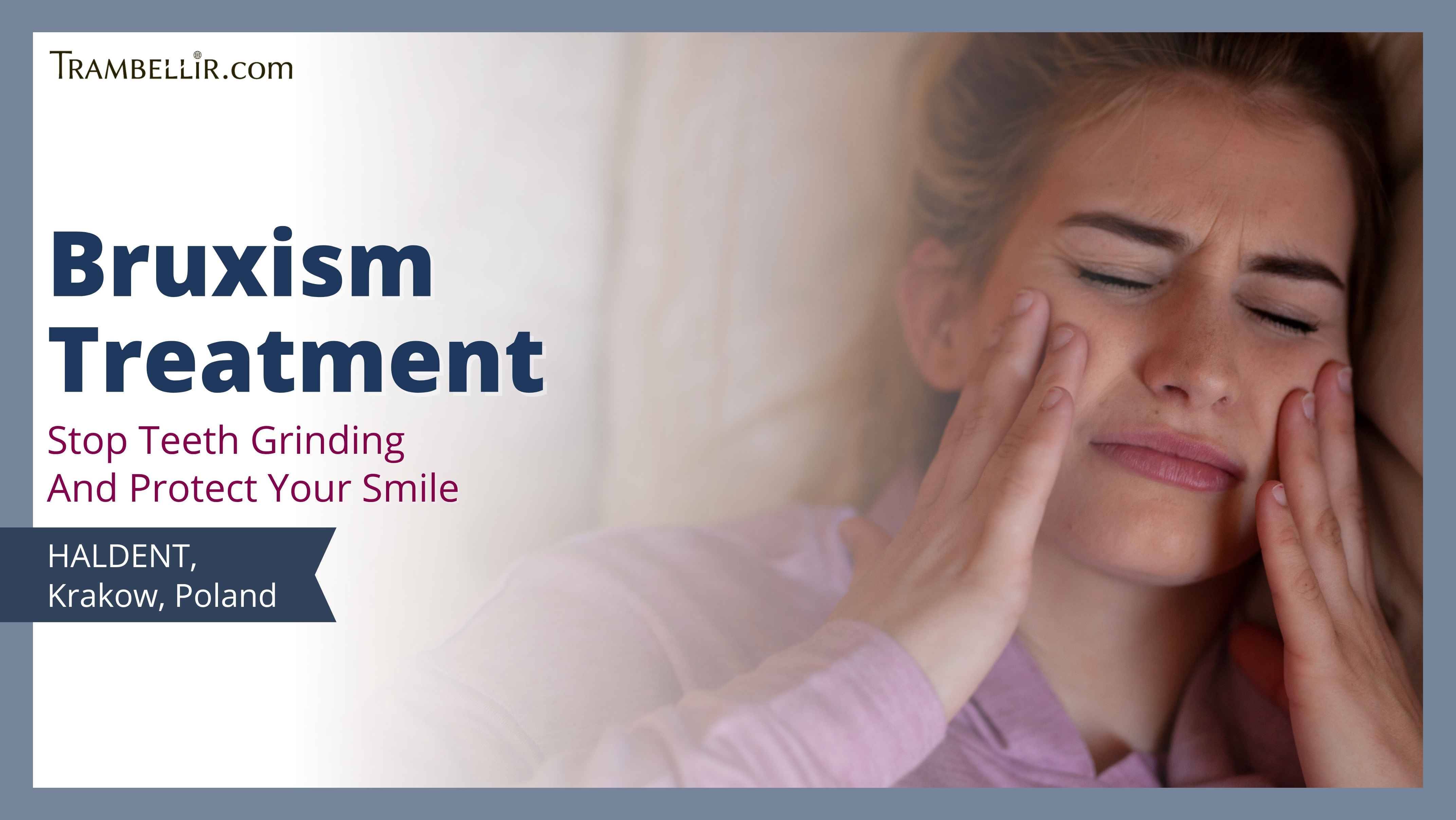
Bruxism Treatment is a dental and medical approach to manage teeth grinding and jaw clenching, which can occur during the day or night. Treatment is tailored to severity and underlying causes, ranging from dental devices like splints or mouthguards to behavioural therapies, stress management techniques, and, in some cases, medications.
During evaluation, the dentist at our affiliated clinic checks for signs such as tenderness in jaw muscles, stiffness or pain during jaw movement, flattened or damaged teeth, and damage to the underlying bone or soft tissue. Additional investigations, such as X-rays or referrals to sleep specialists or mental health professionals, may be recommended depending on the suspected cause.
How It Works
Bruxism Treatment begins with a dental evaluation, where the dentist at our affiliated clinic will check for signs of teeth grinding or jaw clenching, including worn or damaged teeth and jaw tenderness. X-rays may be used to assess teeth and bone structure, and potential causes such as stress, sleep disorders, medications, or a misaligned bite will be identified.
Treatment involves using custom-fitted mouth guards or splints to protect teeth during sleep, while dental corrections like dental crowns, fillings, or orthodontic adjustments may realign a misaligned bite. Physical therapy, including jaw stretching exercises and gentle massage, helps relax muscles and improve joint function. Stress management techniques, such as meditation, yoga, deep breathing, or behavioural therapy, target triggers for clenching and grinding. In some cases, short-term medications like muscle relaxants may be prescribed.
Bruxism Treatment Procedure
1. Consultation and dental examination will be conducted.
2. X-rays or digital scans may be taken.
3. Custom mouth guard or splint will be fitted.
4. Botulinum toxin may be injected.
5. If needed, dental corrections will be performed.
6. Physical therapy exercises, stress management strategies, and jaw relaxation techniques will be taught.
7. Short-term medications like muscle relaxants may be prescribed.
8. Post-care instructions and follow-up visits will be provided.
Advantages and Limitations of Bruxism Treatment
<Advantages>
· Enhances protection of teeth and jaw joints
· Offers relief from jaw pain and stiffness
· Prevents long-term dental damage
· Enhances overall well-being through stress management
· Supports improved sleep quality
<Limitations>
· Grinding may not be fully stopped, especially if caused by chronic stress or sleep disorders
· Consistent practice of exercises and stress management techniques are required
FAQ
Q1: How long does it take to fix bruxism?
A1: Bruxism Treatment duration varies depending on the cause and severity. Using a mouth guard can provide immediate protection for teeth, but managing stress, correcting bite issues, and improving jaw habits may take several weeks to months for noticeable improvement.
Q2: Is Bruxism Treatment painful?
A2: Most Bruxism Treatments are non-invasive and generally not painful. Some minor discomfort or soreness may occur initially when wearing a mouth guard, performing jaw exercises, or after dental corrections, but this usually improves with time and adjustment.
Q3: Do I need dental corrections during Bruxism Treatment?
A3: Dental corrections are only needed if bruxism has caused damage to teeth or if a misaligned bite is contributing to grinding.
Q4: Can I sleep normally after Bruxism Treatment?
A4: Yes, most patients can sleep normally after starting treatment. Wearing a mouth guard at night often improves comfort and prevents tooth damage, and stress management techniques can further reduce nighttime grinding.
Q5: What is the symptom of bruxism?
A5: Common symptoms include jaw pain or stiffness, worn or flattened teeth, increased tooth sensitivity, headaches, earaches, and audible grinding or clenching of teeth during sleep.
Clinic Information
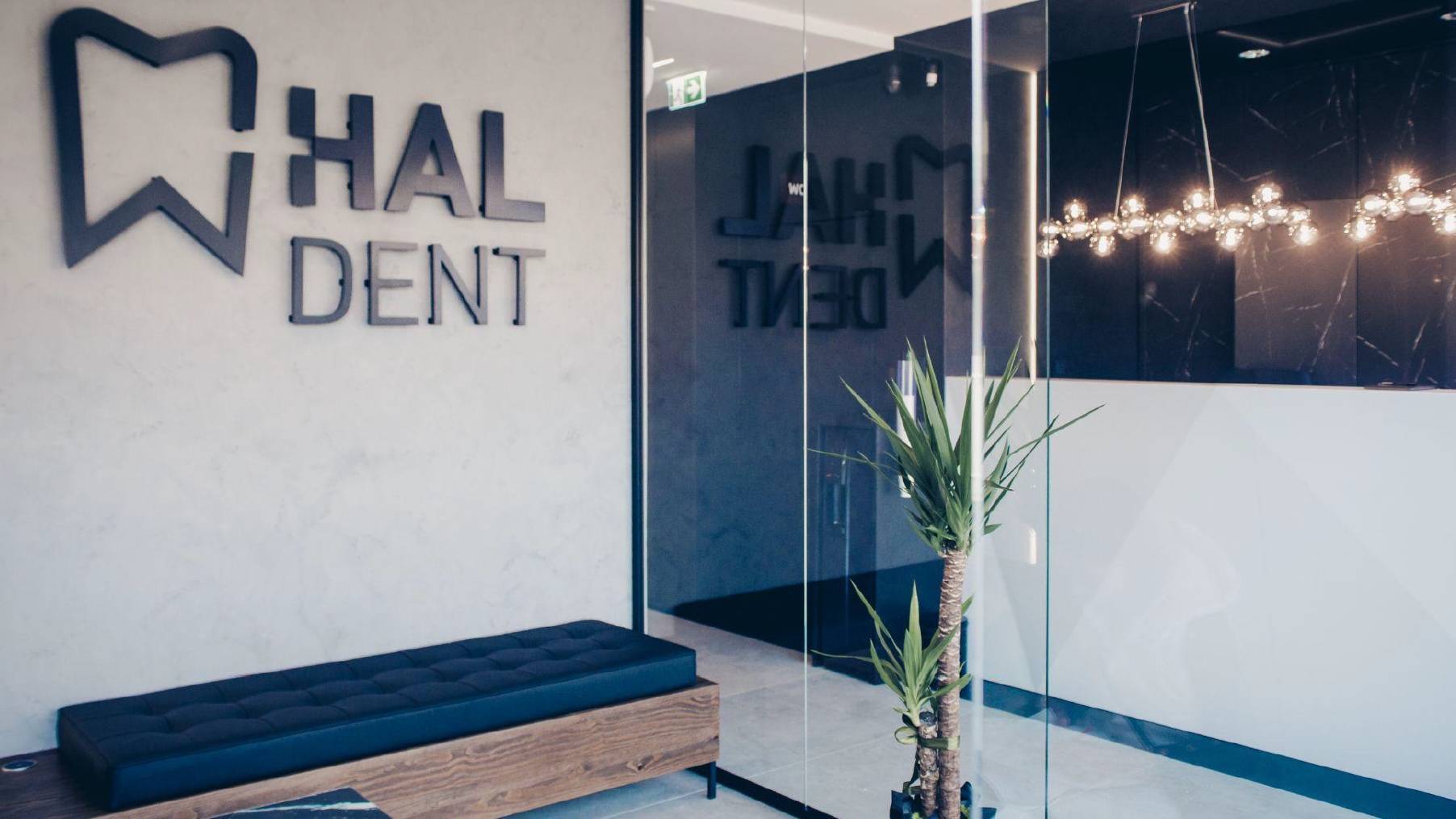
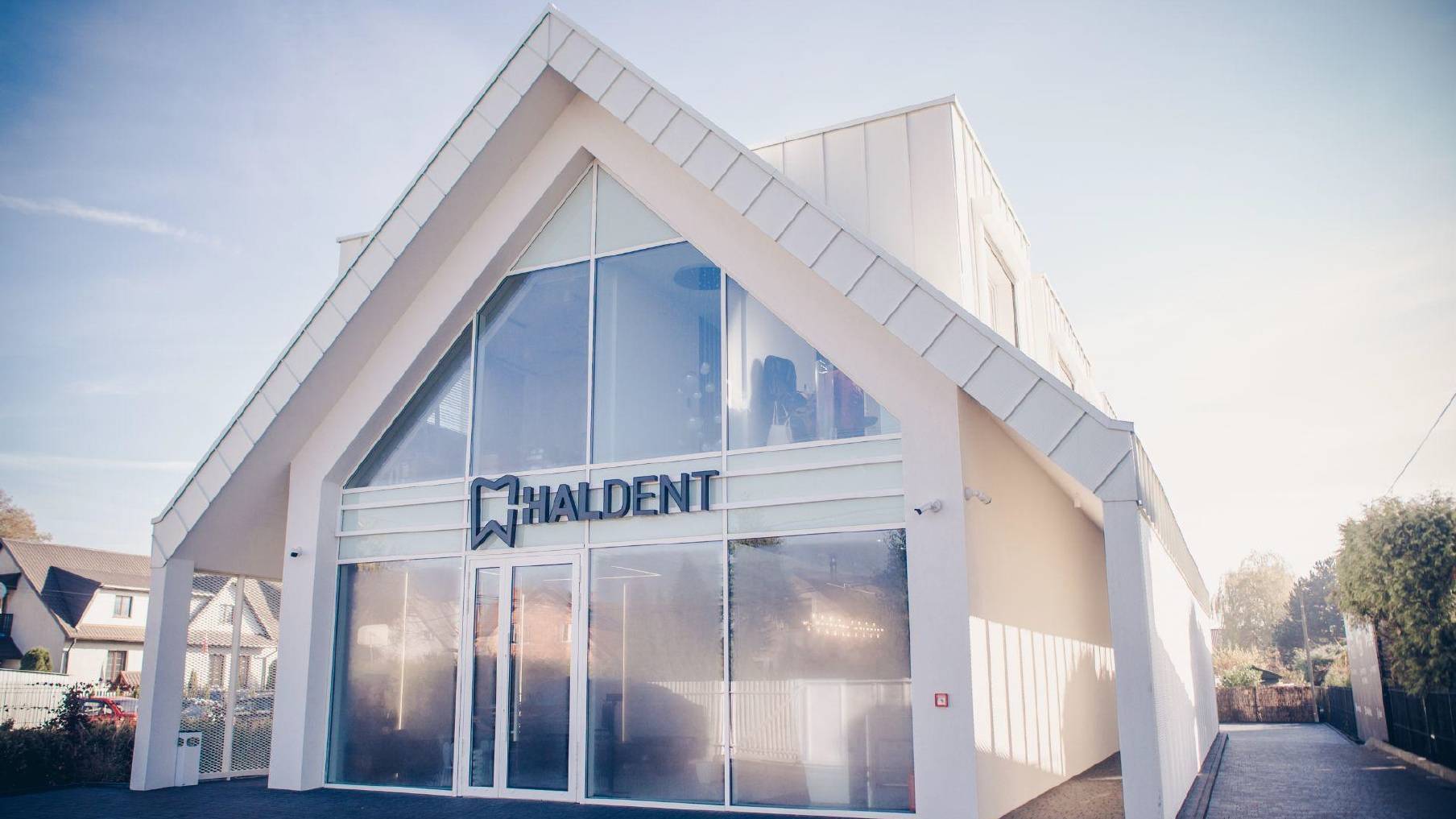
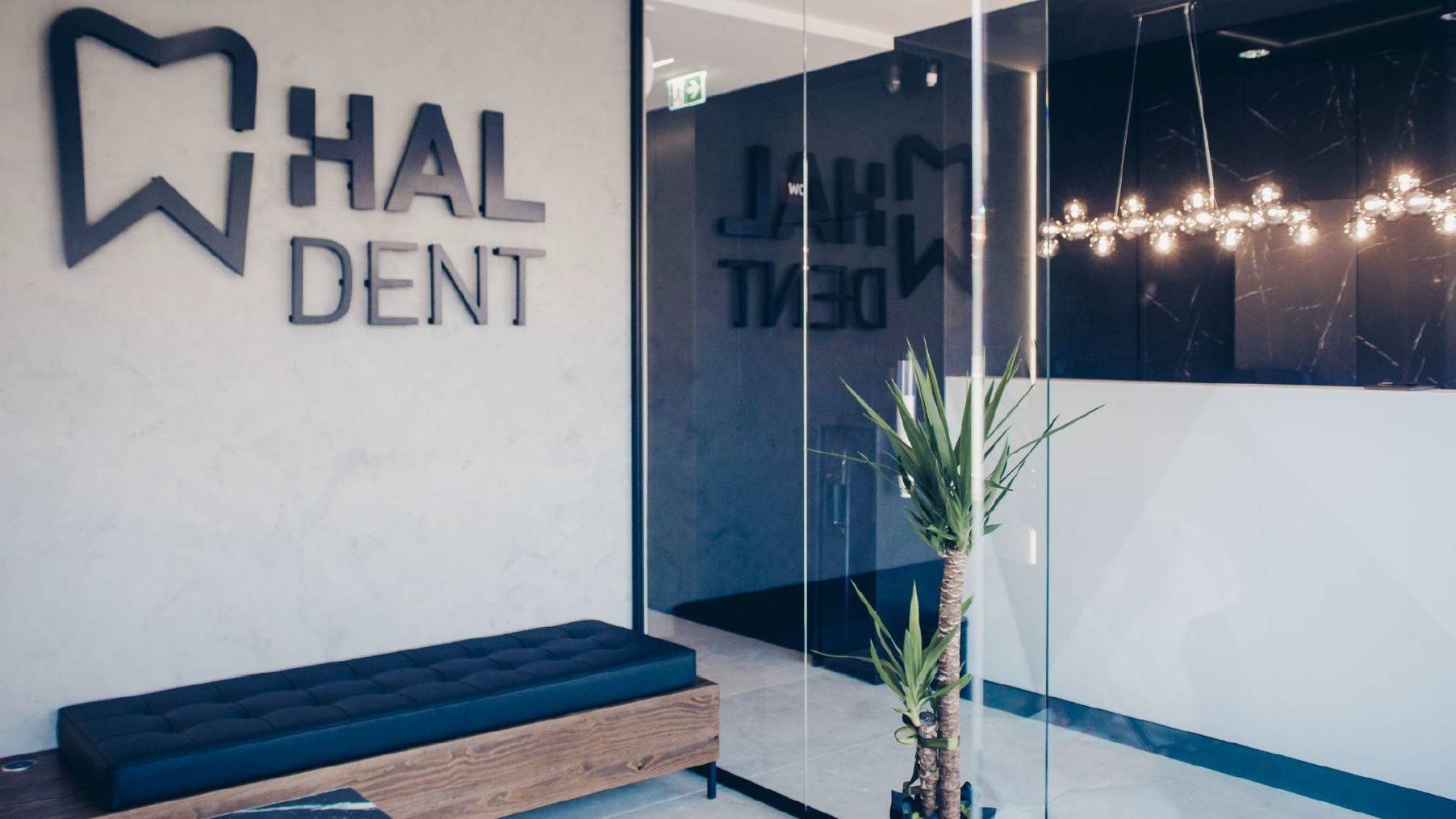
[Clinic Name] HALDENT
[Location] Krakow, Poland
[Nearest Station/ Nearest Tourist Destination] 15mins away from Balice Airport and short distance from most of the tourist attractions
[Clinic Opening Time] Monday to Friday (9:00AM - 8:00PM)
| Operation Time |
Consultation and mouthguard fitting: 30 - 60 mins
Dental correction: 1 - 2 hrs
Therapies: 45 - 60 mins |
| Recovery Time |
None |
| Number of Postoperative Visit |
Depending on the treatment plan |
| Hospitalization |
Not required |
| Limitations |
Pain, swelling, bruising, sore jaw muscles, or tinnitus may occur |
| Cancellation Policy |
Cancellation is applicable at least 24 hrs in advance |
| Location |
Rodziny Poganów 106c, 32-080 Zabierzów, Poland |
Terms of Service
Trambellir is a health tourism platform and does not in any way provide, promote, or sell any
medication or medical treatment to the Customers.
Customers are advised to contact the healthcare providers directly for any enquiries related to
medical treatments.