It Is Suitable For
· Those in Bangkok looking for a complete fertility solution.
· Those with difficulty conceiving naturally for more than 1 year.
· Those with male-factor infertility.
· Those who want to increase the chance of pregnancy using advanced laboratory techniques.
· Those who wish to plan for future pregnancy using frozen embryos.
What Is ICSI Program 3?
ICSI Program 3 is a complete fertility package designed to support conception through advanced reproductive techniques. The program includes an infertility check-up package for both men and women, which covers blood tests such as Hepatitis B (HBsAg, Anti-HBs), HIV, VDRL, Rubella, CBC, Blood group ABO-Rh, thyroid hormone panel (FSH, LH, E2, Progesterone, AMH), transvaginal ultrasound for women, and sperm analysis with DNA fragmentation testing for men. These tests provide essential information to plan and optimize the fertility treatment process.
The treatments provided in ICSI Program 3 include controlled ovarian stimulation with injections and ultrasound monitoring, Ovum Pick-Up, sperm selection, intracytoplasmic sperm injection (ICSI), embryo culture, fresh embryo transfer, freezing of remaining embryos, and 1 cycle of frozen embryo transfer (FET) with medication and monitoring. Each step is carefully coordinated to maximize fertilization, embryo quality, and implantation success, ensuring thorough medical guidance throughout the journey.
Benefits of ICSI Program 3 include improved fertilization rates, higher chances of successful embryo implantation, careful monitoring during all stages, the ability to preserve embryos for future use, and structured treatment under medical supervision. This program provides a comprehensive and flexible approach, combining advanced laboratory techniques with complete fertility management for both men and women.
How It Works
ICSI Program 3 begins with a consultation by the doctor at our affiliated hospital, where a detailed assessment of reproductive health is conducted. The infertility check-up package includes essential blood tests for both partners. Women undergo Hepatitis B (HBsAg, Anti-HBs), HIV, VDRL, Rubella, CBC, Blood group ABO-Rh, and a Thyroid Hormone panel (FSH, LH, E2, Progesterone, AMH), along with a transvaginal ultrasound. Men receive Hepatitis B (HBsAg, Anti-HBs), HIV, VDRL, CBC, Blood group ABO-Rh, and sperm analysis with DNA fragmentation testing. This step typically takes 1 to 2 hours and provides a comprehensive overview of reproductive health, allowing the doctor to create an individualized treatment plan.
Controlled ovarian stimulation is the next step, using daily hormone injections and frequent transvaginal ultrasound monitoring to track follicle development. This process usually spans 10 to 14 days and aims to produce multiple mature eggs for retrieval. Benefits of this step include optimized egg quantity and quality, better timing for fertilization, and reduced risk of cycle cancellation. Mild bloating and temporary discomfort at the injection site are common, but most patients can continue light daily activities.
Ovum Pick-Up (OPU) is performed under sedation, taking about 20 to 30 minutes. During this step, eggs are collected from the ovaries, while sperm is prepared and carefully selected for fertilization. Intracytoplasmic sperm injection (ICSI) is performed in the laboratory, where a single sperm is directly injected into each mature egg, followed by embryo culture to monitor growth and quality. The fresh embryo transfer cycle follows, lasting 15 to 30 minutes, with medication and ultrasound support to maximize implantation success. Remaining high-quality embryos are frozen for 7 days or longer, and 1 cycle of frozen embryo transfer (FET) is included, taking 15 to 30 minutes with ongoing monitoring.
Downtime is minimal, light rest is recommended after Ovum Pick-Up and embryo transfer, with most daily activities resuming within 1 to 2 days, ensuring a balanced combination of treatment effectiveness and recovery.
ICSI Program 3
· HBsAg
· Anti-HBs
· HIV
· VDRL
· Rubella
· CBC
· Blood Group ABO-Rh
· Thyroid Hormone Panel (FSH,LH)
· Anti-Mullerian Hormone (AMH)
· E2
· Progesterone
· Sperm Analysis / DNA Fragmentation Test
· Controlled Ovarian Stimulation And Monitoring
· Transvaginal Ultrasound
· Ovarian Stimulation
· Ovum Pick-Up (OPU)
· ICSI
· Embryo Culture
· Embryo Transfer
· Frozen Embryo Transfer
ICSI Program 3 Procedure
1. Consultation will be conducted by the doctor.
2. Fertility tests will be completed.
3. Controlled ovarian stimulation will be conducted.
4. Transvaginal ultrasound will be performed.
5. Egg retrieval (Ovum Pick-Up) will be performed.
6. Sperm selection will be done in the laboratory.
7. ICSI will be performed.
8. Embryos will be cultured.
9. Embryo transfer will be done.
10. Embryo will be frozen.
11. Pregnancy testing will be scheduled by the doctor.
Advantages and Limitations of ICSI Program 3
<Advantages>
· Increases fertilization success
· Enhances embryo quality
· Improves implantation rates with fresh and frozen embryo transfer options
· Provides a complete fertility program from check-up to embryo transfer
· Supports couples with male-factor or female-factor infertility
· Allows flexible planning for future pregnancies with embryo cryopreservation
<Limitations>
· Temporary mild bloating or cramping may occur for 1 to 2 days after treatment
ICSI Program 3 Preparation
· Avoid strenuous exercise 1 week before treatment
· Maintain healthy diet and stay hydrated 1 week before treatment
· Refrain from alcohol consumption, caffeine, and smoking at least 1 week before treatment
ICSI Program 3 Post Care
· Avoid strenuous exercise for at least 1 day after treatment
· Maintain healthy diet and stay hydrated after treatment
FAQ
Q1: Are blood tests included in ICSI Program 3?
A1: Yes, for women, tests include Hepatitis B (HBsAg, Anti-HBs), HIV, VDRL, Rubella, CBC, Blood group ABO-Rh, Thyroid Hormone panel, and transvaginal ultrasound. For men, tests include Hepatitis B (HBsAg, Anti-HBs), HIV, VDRL,
CBC, Blood group ABO-Rh, sperm analysis, and DNA fragmentation test.
Q2: Does ICSI Program 3 include embryo freezing?
A2: Yes, remaining high-quality embryos are frozen for 7 days or longer for future use.
Q3: How many embryos can be transferred in ICSI Program 3?
A3: Embryo transfer quantity is determined by the doctor at our affiliated hospital based on safety and medical condition.
Q4: Can ICSI Program 3 help with PCOS?
A4: Yes, controlled ovarian stimulation in ICSI Program 3 helps women with PCOS achieve mature eggs for fertilization.
Q5: Can frozen embryos from ICSI Program 3 be used years later?
A5: Yes, frozen embryos can be stored long-term for future pregnancy attempts.
Clinic Information
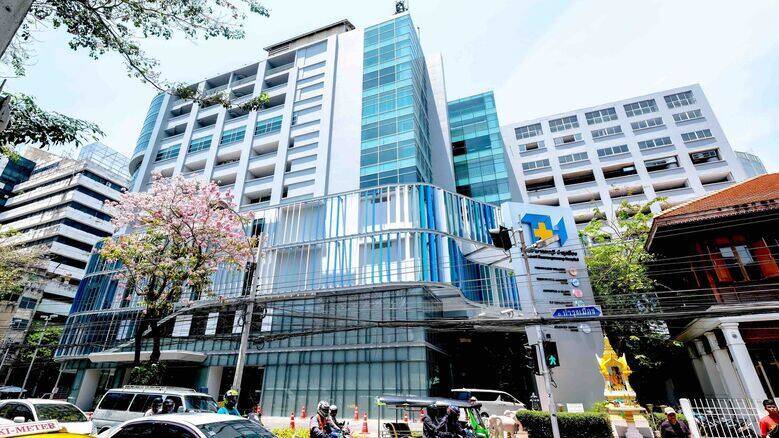
[Clinic Name] Thonburi Bamrungmuang Hospital
[Location] Bangkok, Thailand
[Nearest Station/ Nearest Tourist Destination] A 10 mins drive from Hua Lamphong MRT station; 5 mins drive from National Stadium BTS station
[Clinic Opening Time] 24 hrs
| Operation Time |
Infertility Checkup: 1 - 2 hrs
Controlled Ovarian Stimulation: 15 - 30 mins
Ovum Pick-Up (OPU) + Sperm Selection + ICSI + Embryo Culture: 20 - 30 mins
Embryo Transfer: 15 - 30 mins |
| Recovery Time |
None
|
| Number of Postoperative Visit |
6 visits
|
| Hospitalization |
Not required
|
| Limitations |
Temporary mild bloating or cramping may occur for 1 to 2 days after treatment
|
| Cancellation Policy |
No charge for cancellations made at least 48 hrs prior appointment date* |
| Location |
Thonburi Bamrungmuang Hospital, Bamrungmuang Rd, Khlong Maha Nak, Pomprapsattruphai, Bangkok, Thailand |
Terms of Service
Trambellir is a health tourism platform and does not in any way provide, promote, or sell any
medication or medical treatment to the Customers.
Customers are advised to contact the healthcare providers directly for any enquiries related to
medical treatments.